
A Porsche is never the end. It’s only the beginning.
Best Porsche Engine: How to Choose the Right Engine for Your 911
The best Porsche engine for bespoke build projects is not defined by peak horsepower. It is defined by balance, usability, reliability and how the engine integrates with the complete vehicle.
Understanding OEM+ Porsche is essential before defining any bespoke build. This guide builds on that foundation by focusing on engine selection, reliability, performance and integration within a complete Porsche build.
Choosing the right engine means understanding the full system. A Porsche is not improved by adding power alone. The engine must work together with cooling, transmission, chassis and intended use.

Understanding the Best Porsche Engine for Bespoke Build
The best Porsche engine for bespoke build work depends entirely on the vision of the project. Some builds are focused on emotion and mechanical feel, while others aim for performance and daily usability.
At Micarja Racing, engine choice is never isolated. It is part of a complete engineering direction where every component supports the same goal.
Why Power Alone Does Not Define the Best Engine
A common mistake is selecting the most powerful option. While this may look impressive on paper, it often leads to imbalance. Too much power without supporting systems creates a car that is difficult to drive and maintain.
- Power must match traction and chassis capability
- Cooling must support long-term reliability
- Gearbox compatibility is essential
- Usability defines real performance
Air-Cooled Porsche Engines
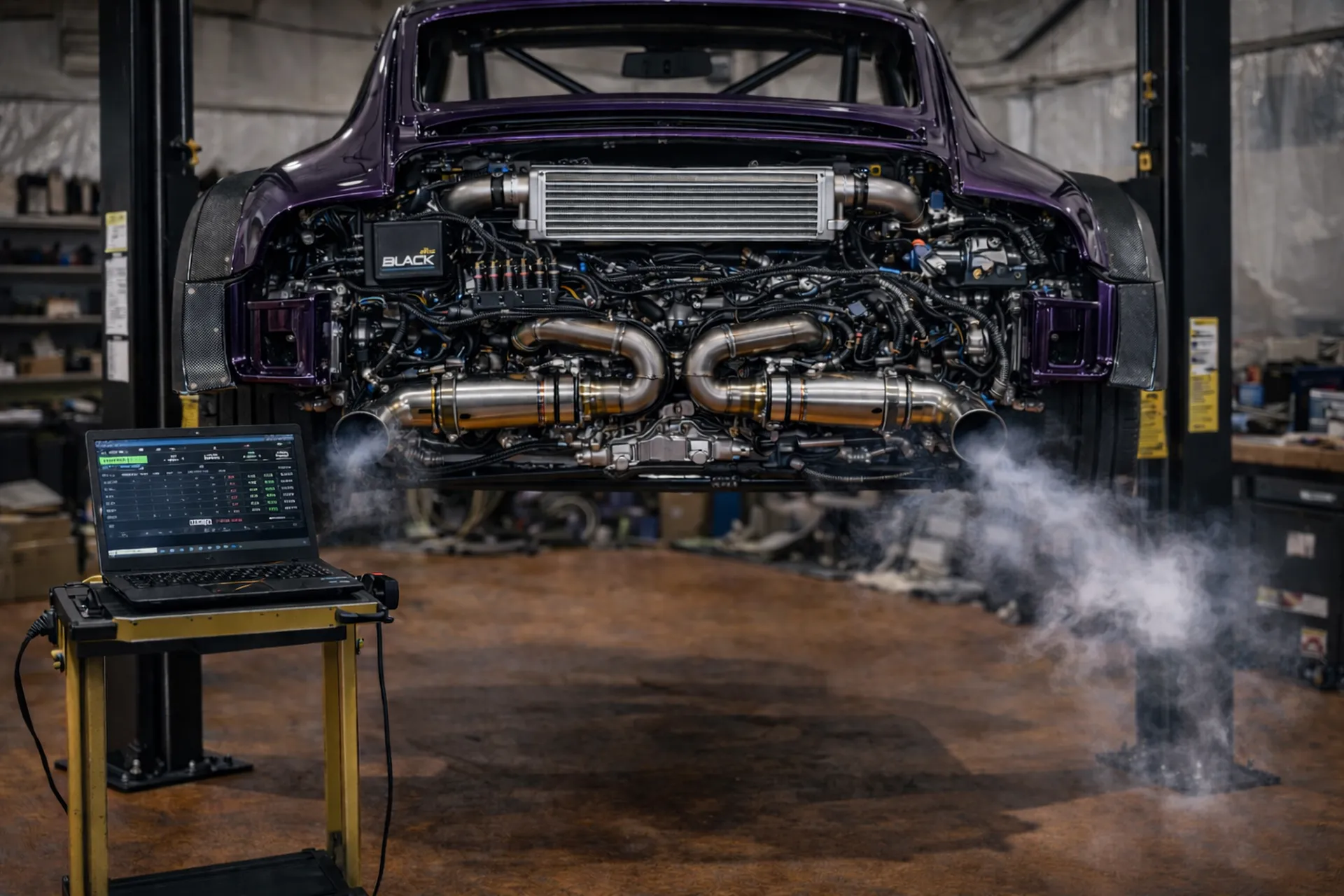
Air-cooled engines are often selected for projects focused on character and emotion. They provide a mechanical driving experience that defines classic Porsche builds.
These engines are best suited for collector-focused projects where the goal is connection and heritage rather than absolute performance.
Modern Turbocharged Porsche Engines
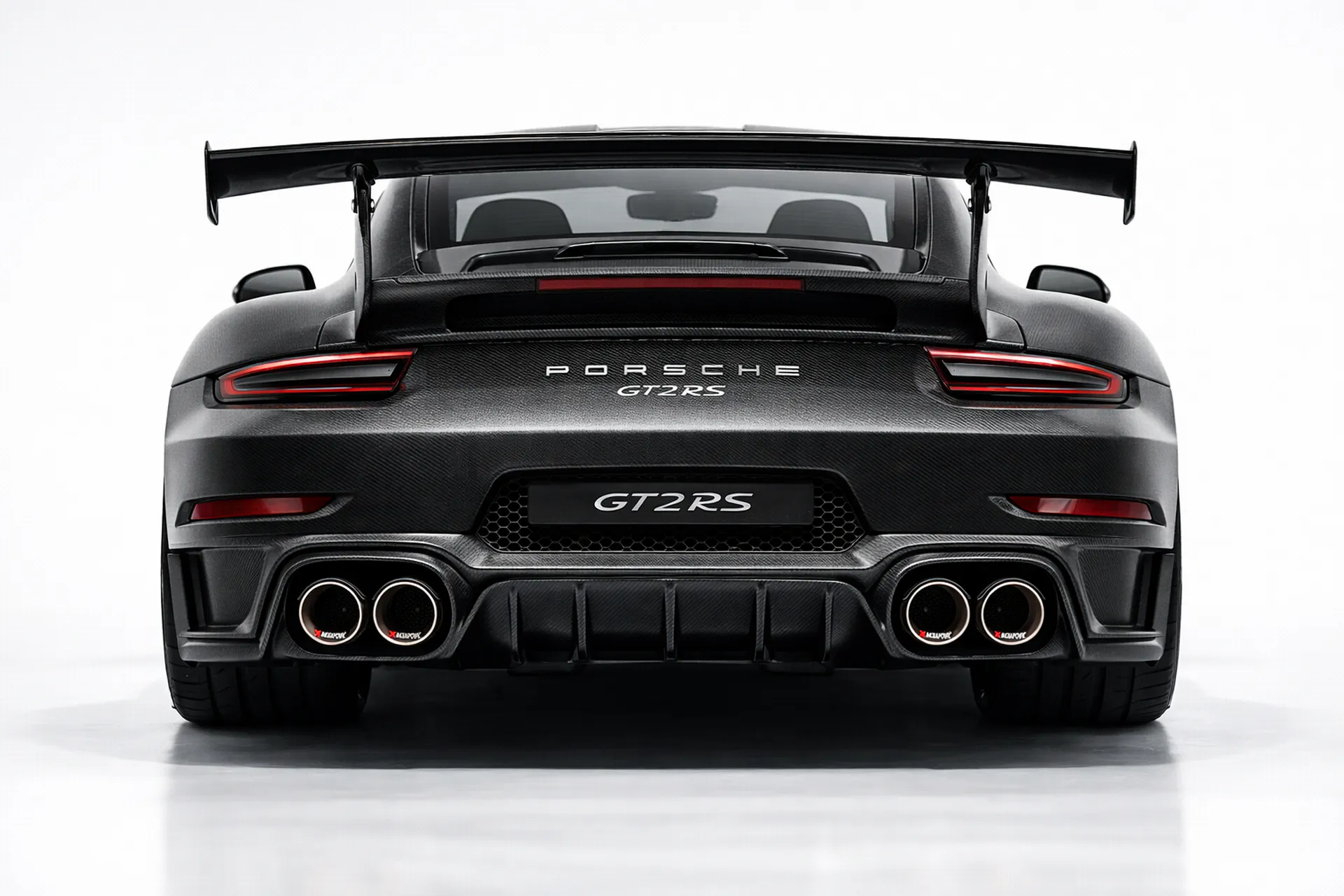
Modern turbo engines offer a different approach. They provide strong performance, consistent delivery and everyday usability. For many clients, this makes them the most practical choice.
When properly integrated, modern engines deliver both speed and reliability without sacrificing drivability.
Engine Capacity and Balance
Engine size plays an important role in defining the character of a build. Increasing displacement affects torque, stress levels and cooling requirements.
- 3.6 – 3.8: reliable and balanced
- 4.0: strong torque with usability
- 4.2: high performance but complex
For many builds, a well-engineered 4.0 offers the best balance between performance and reliability.
Matching Engine to Platform
The engine must always match the platform. A classic 964 requires a completely different setup compared to a modern 992.
Start here: Porsche 911 platform comparison
External Porsche Reference
For official specifications and technical background, visit the Porsche model overview.
How to Choose the Right Engine
Selecting the best Porsche engine for bespoke build work starts with the brief:
- How the car will be used
- Desired driving feel
- Platform selection
- Budget and engineering scope
Only when these factors are clear can the correct engine be chosen.
Conclusion
The best Porsche engine for bespoke build projects is not the most powerful option. It is the one that fits the complete vision of the car and delivers a balanced driving experience.
Define Your Porsche Build
A great Porsche starts with the right foundation. Engine choice is part of a complete system.
Request Your Build