Client brief
We map the donor car, market, usage, preferred character, budget direction and practical constraints.

A Porsche is never the end. It’s only the beginning.
Porsche 911 build process is the foundation of every serious Micarja Racing project. From the first conversation to final validation, every build is shaped around one principle: the car must look intentional, drive with confidence and feel coherent in every detail.
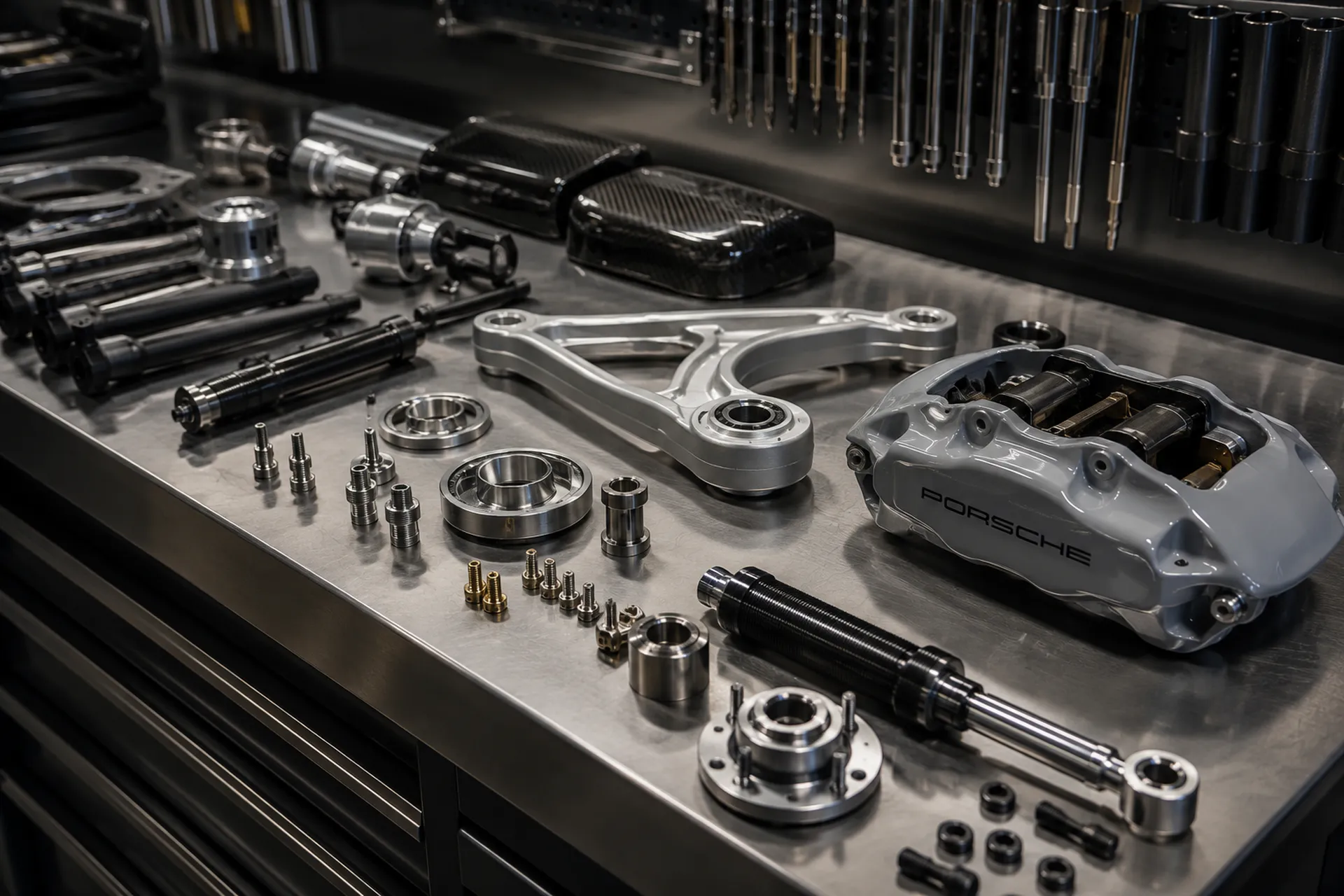
A strong Porsche 911 build process is not created by stacking parts. We begin with the owner, the donor car, the intended use, the market and the desired character. Only then do we define the technical and visual direction.
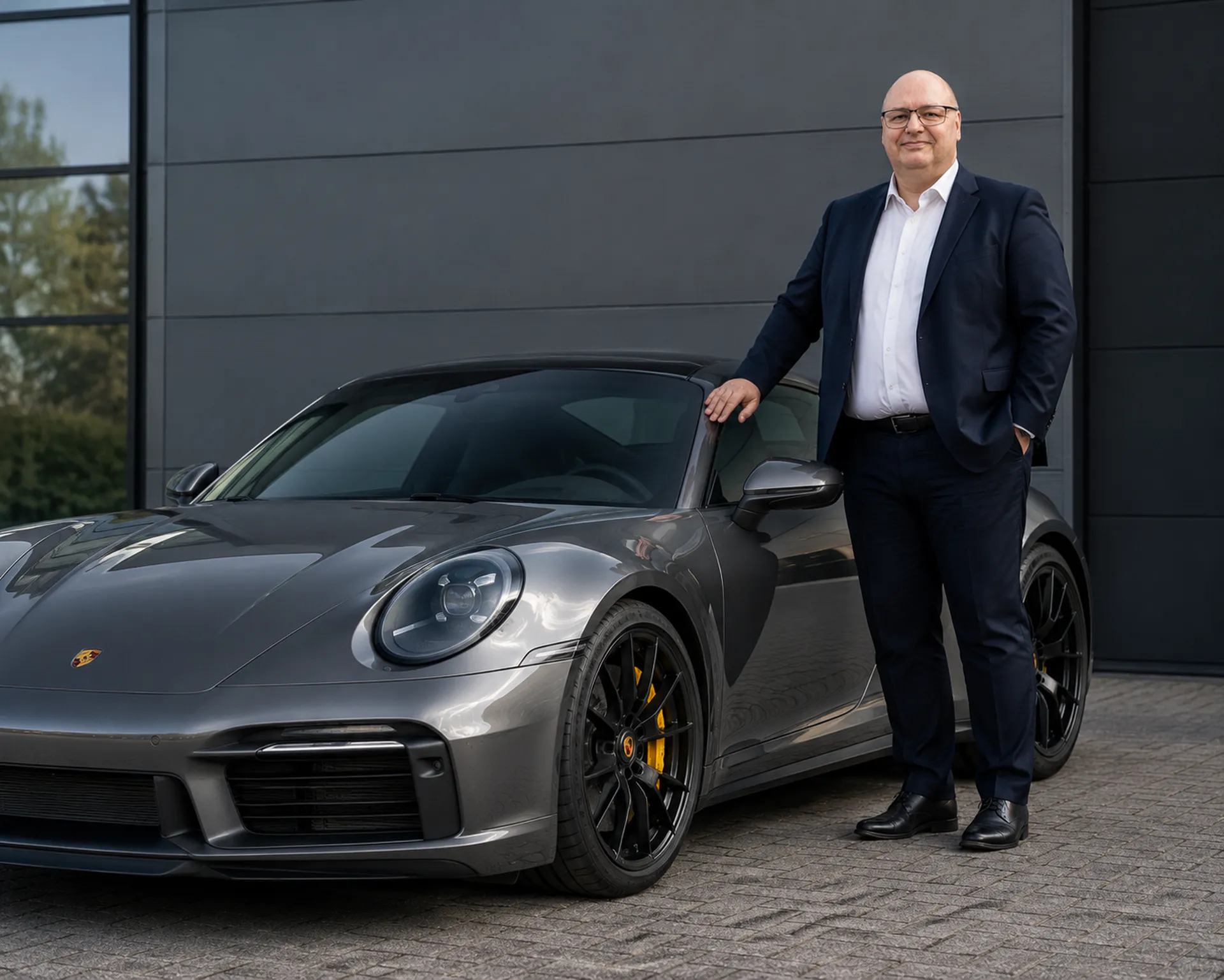
We define the purpose first: fast road, Autobahn, touring, track use, collection piece or a complete coachbuilt conversion. The result is a build plan that aligns design, power, cooling, chassis, brakes, interior and finishing instead of treating each upgrade as a separate decision.
This protects the client from expensive detours and creates a Porsche that feels engineered from the first idea to the final handover.
For heritage context, we also look at official Porsche reference material where relevant, including Porsche Classic, before defining the final Micarja Racing direction.
Micarja Racing works like a coachbuilder: the exterior, engine programme, carbon bodywork, chassis, cabin and final finish are planned together.
We map the donor car, market, usage, preferred character, budget direction and practical constraints.
OEM+ refinement, carbon widebody, aero balance, stance and colour strategy are defined before parts are selected.
Power goals are aligned with cooling, fuel, drivetrain, emissions planning, brakes and chassis control.
We select hardware for fitment, quality and integration rather than chasing isolated headline numbers.
Carbon, panel gaps, paint quality, edge finishing and final surface control determine the premium feel.
The cabin receives the same discipline: material selection, ergonomics, stitching, trim and driver focus.
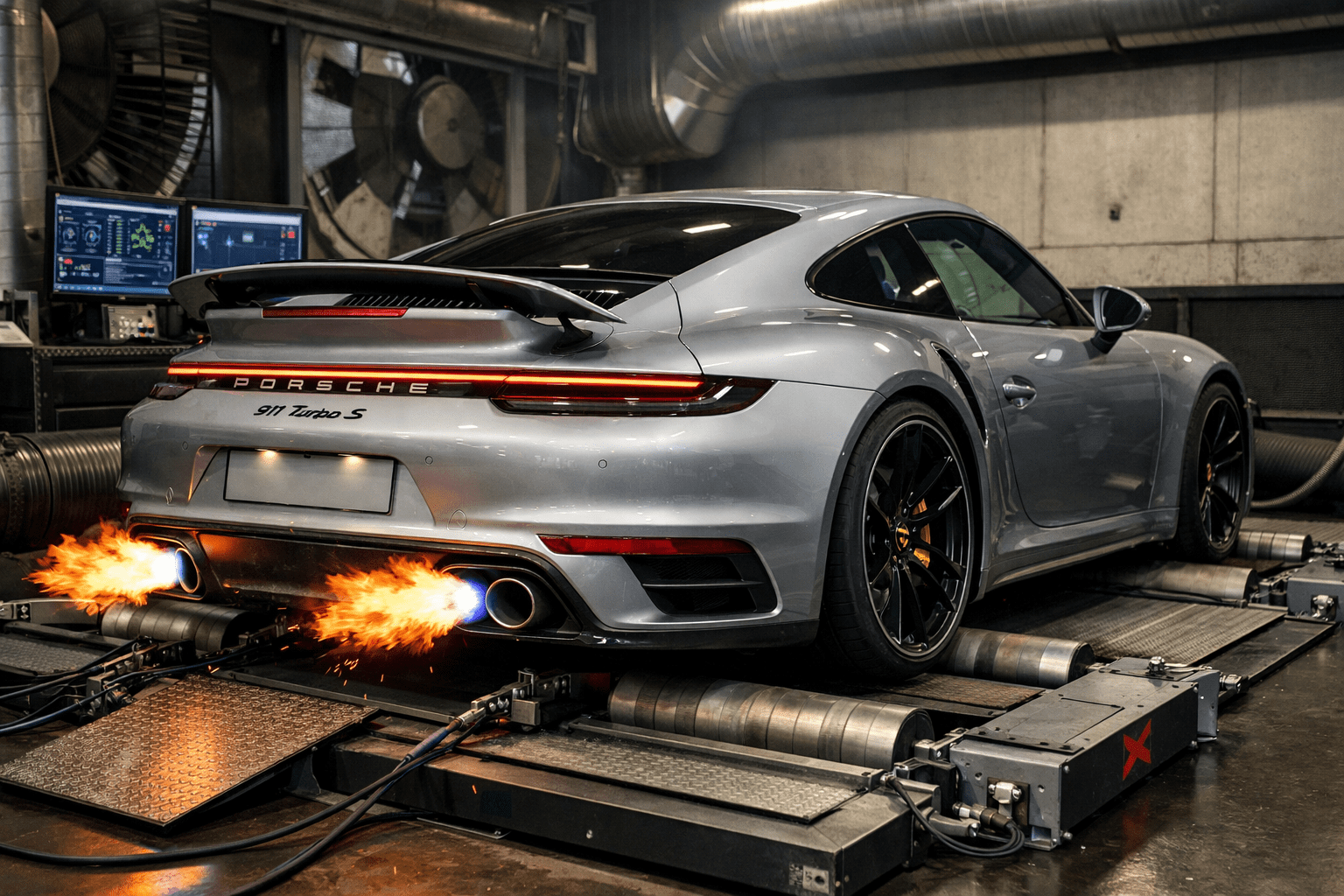
Software, dyno work and road validation are treated as refinement tools, not a final afterthought.
The car is delivered with a clear specification, visual consistency and a build story the owner can keep.
A Micarja Porsche should never look like random upgrades were added over time. The proportions, carbon details, wheels, ride height and finishing must read as one deliberate design language.
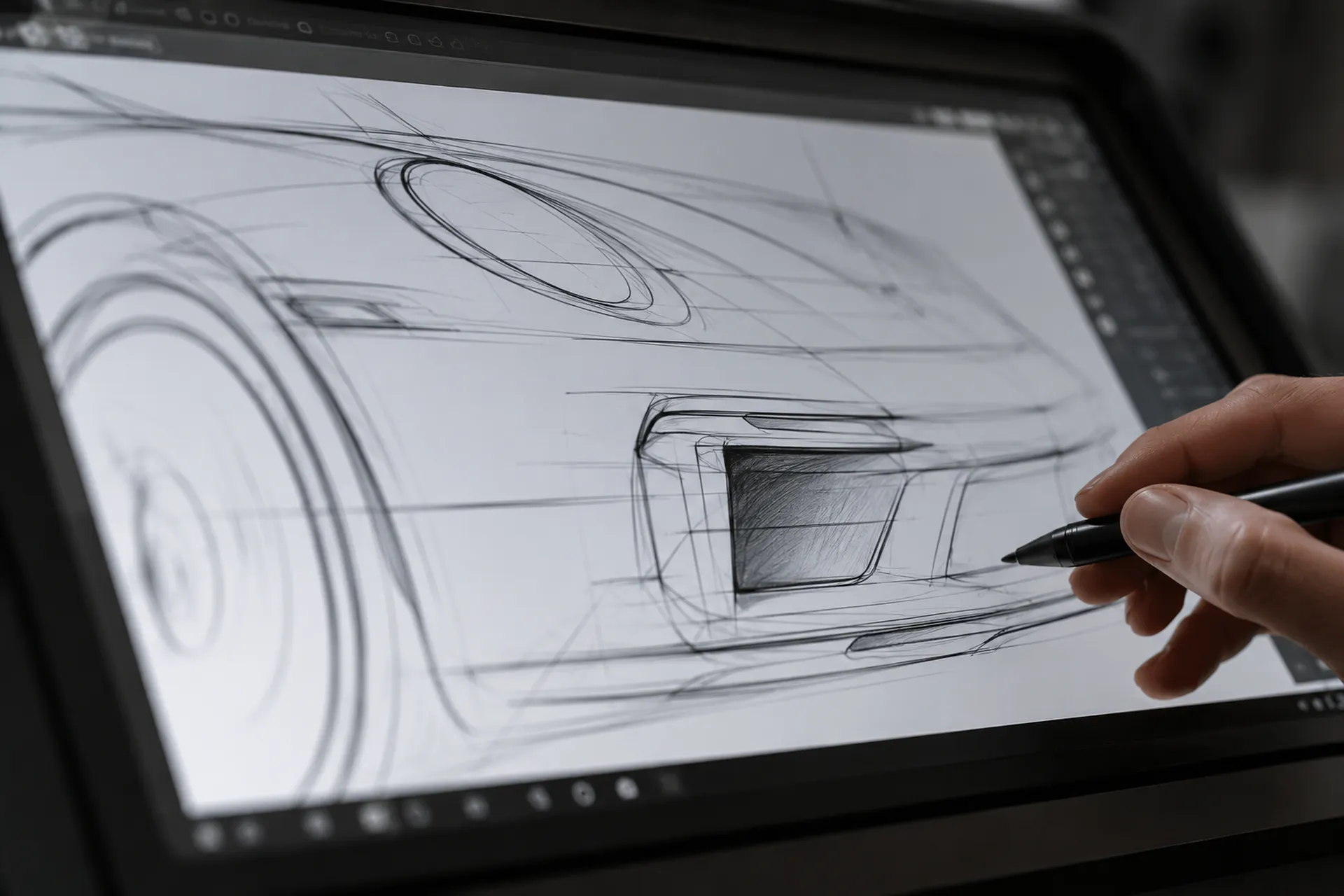
The first direction defines character: restrained OEM+, aggressive carbon, touring elegance or full coachbuilt presence.
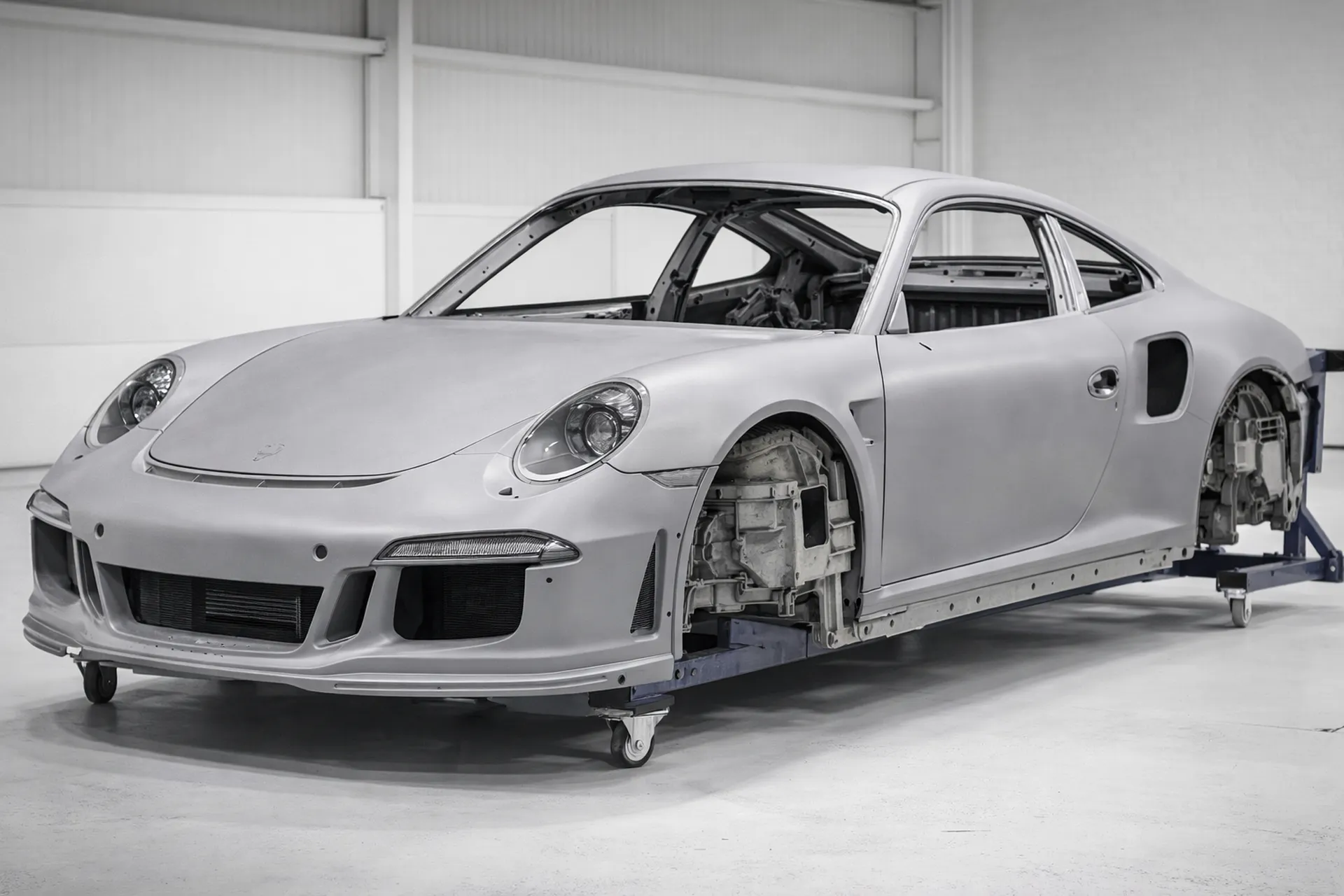
Bodywork preparation decides how the car will read under real light: panel lines, reflections and proportions must be clean.
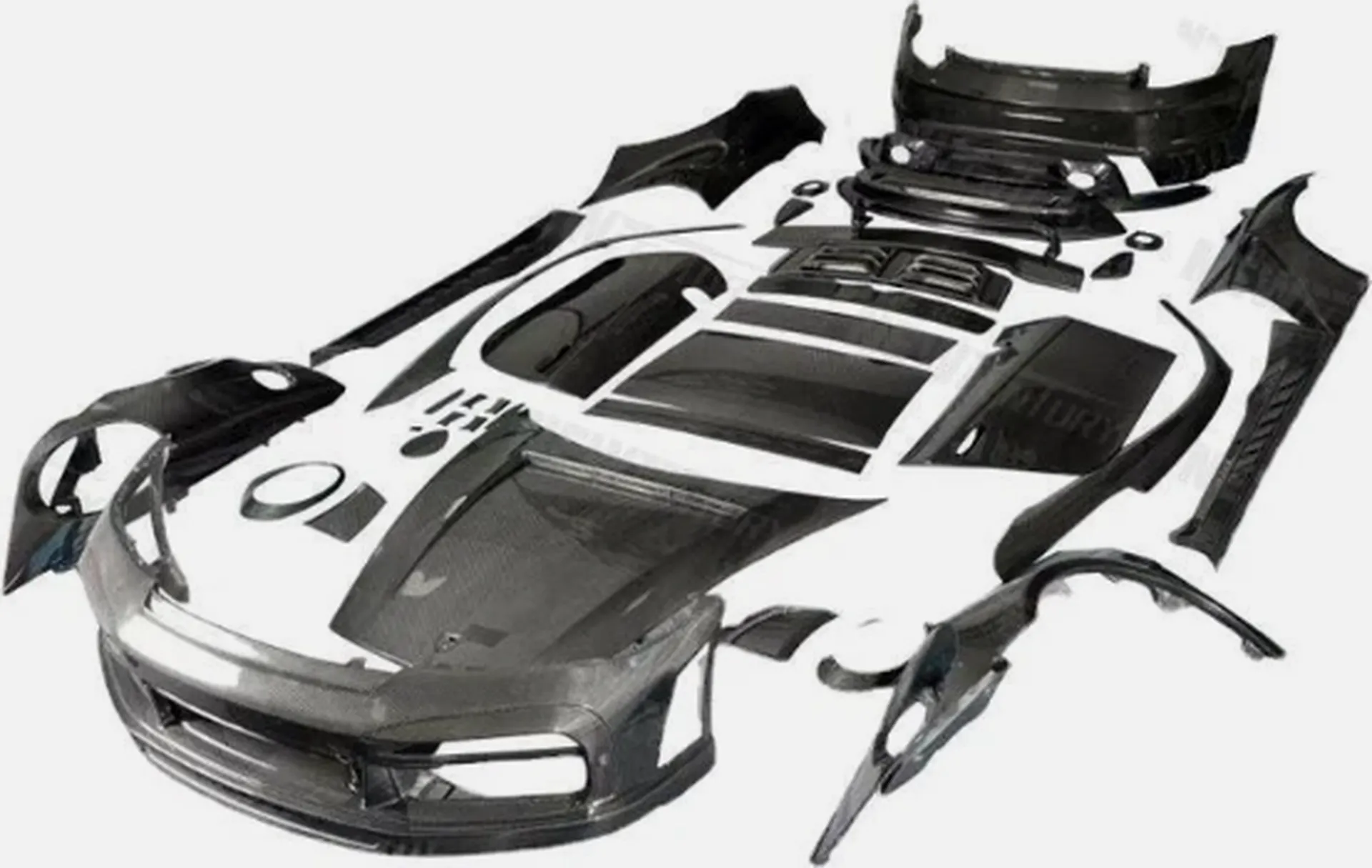
Carbon bodywork is treated as an engineering surface: light, precise, functional and aligned with the original Porsche architecture.
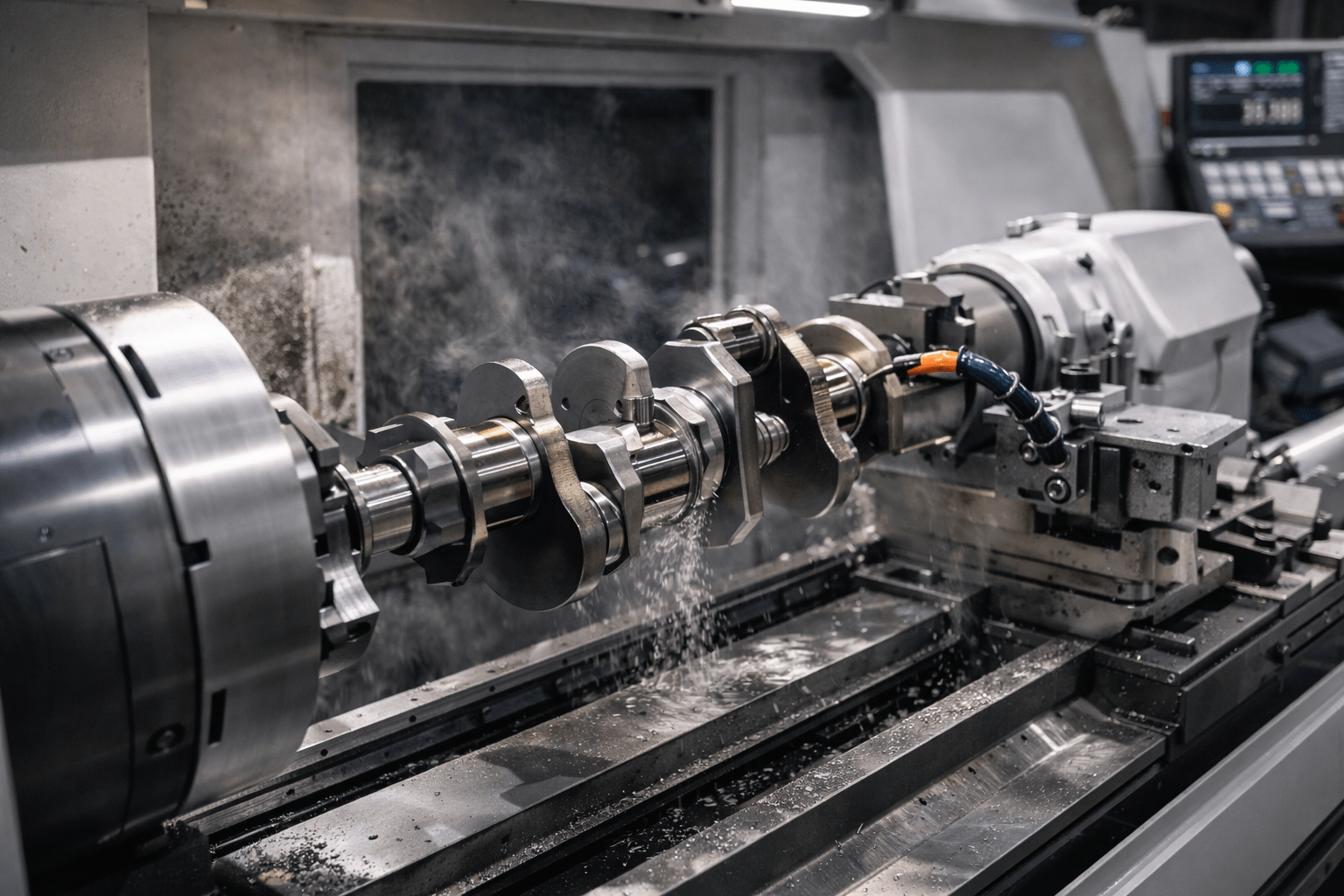
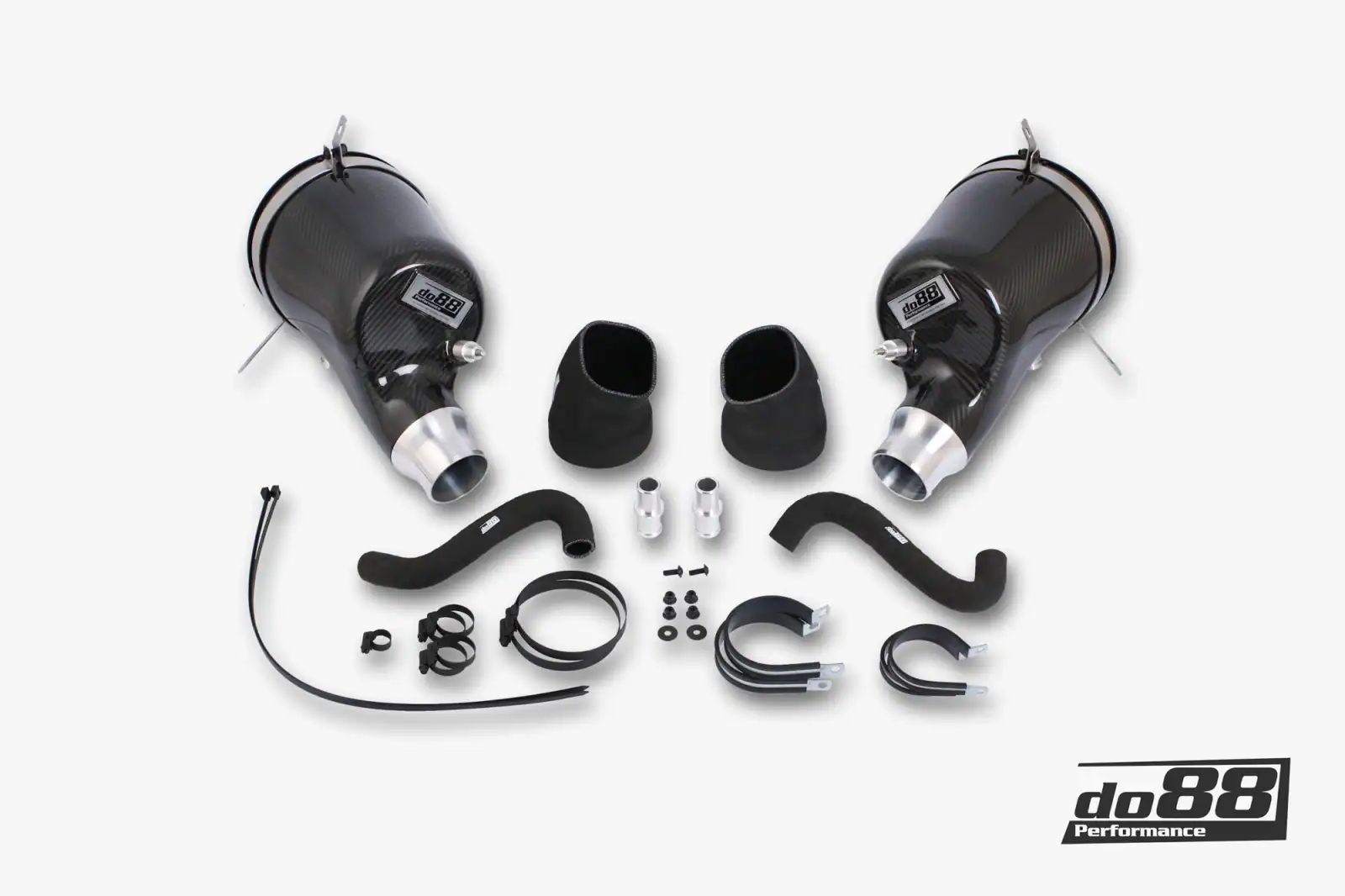
For serious Porsche projects, the engine programme usually carries the highest technical and financial weight. It can include disassembly, inspection, machining, internal components, turbo systems, cooling, fuel delivery, exhaust flow, ECU strategy and validation.
We do not quote fixed figures before the donor car and final scope are confirmed. A reliable engine plan is built around condition, target use, fuel quality, climate and the level of drivability the owner expects.
Within the Porsche 911 build process, this engine phase protects the entire project. More power only makes sense when the supporting systems are planned with equal care.
A strong build balances air, fuel, temperature, torque, braking, suspension and body control. That is why the planning phase matters as much as the parts themselves.
A Micarja build is not defined by one upgrade. It is defined by the discipline to make every upgrade belong.
Paint inspection, material selection, carbon finishing, interior touchpoints and final alignment turn a powerful Porsche into a complete premium object.
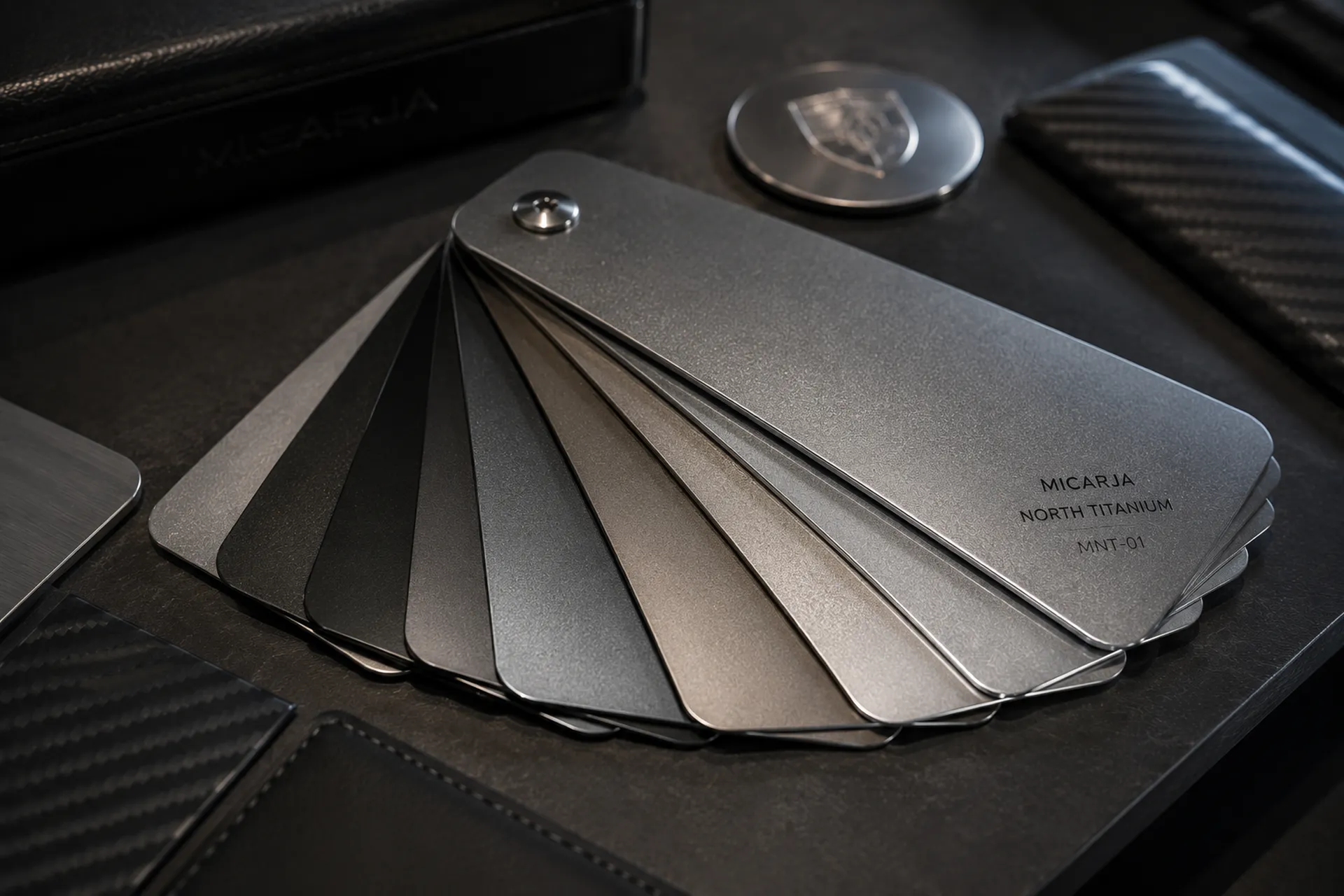
Colour is chosen for the body shape, the owner and the intended use, not only for the first impression.
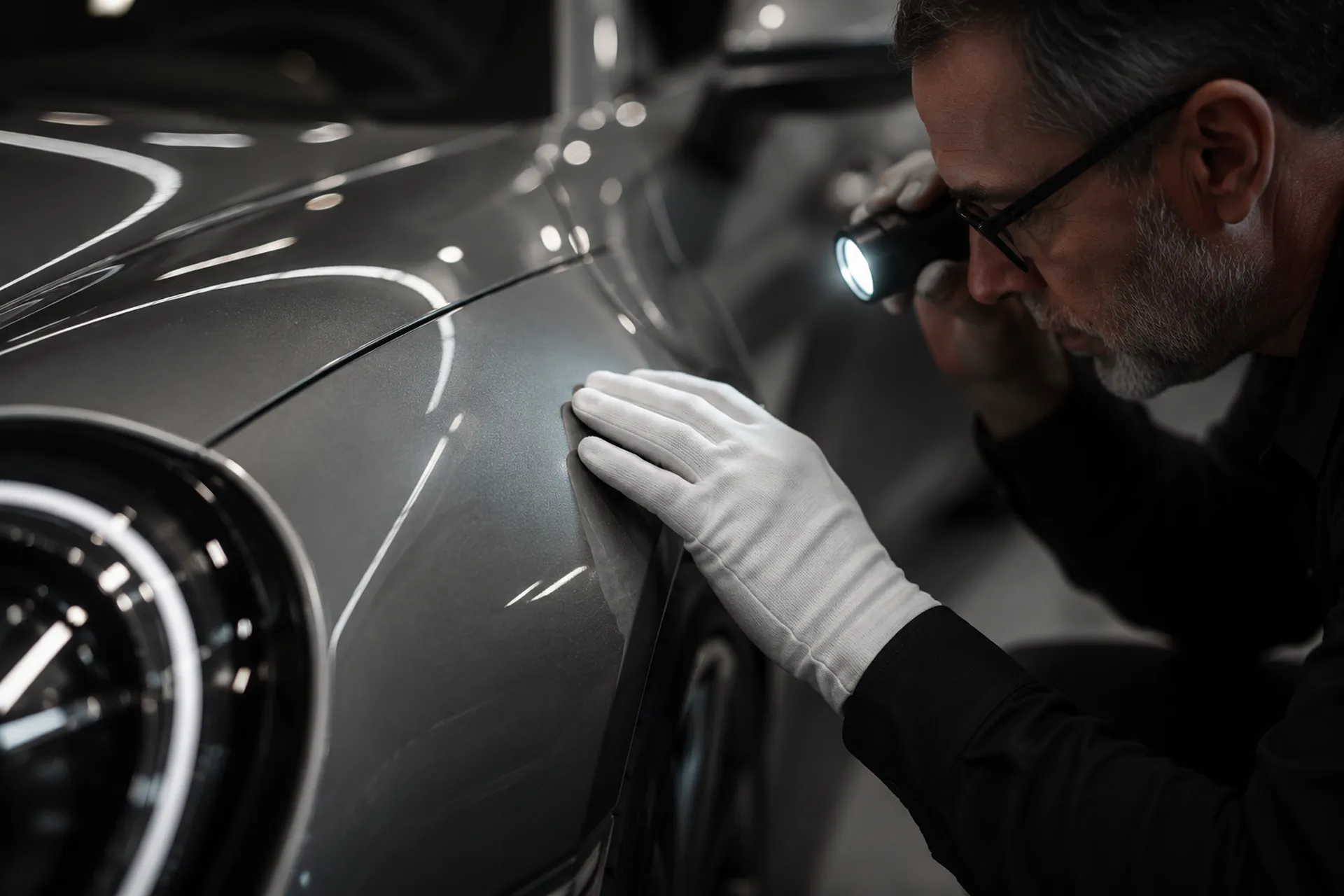
Reflection quality, surface depth and panel consistency are checked before the car is considered complete.
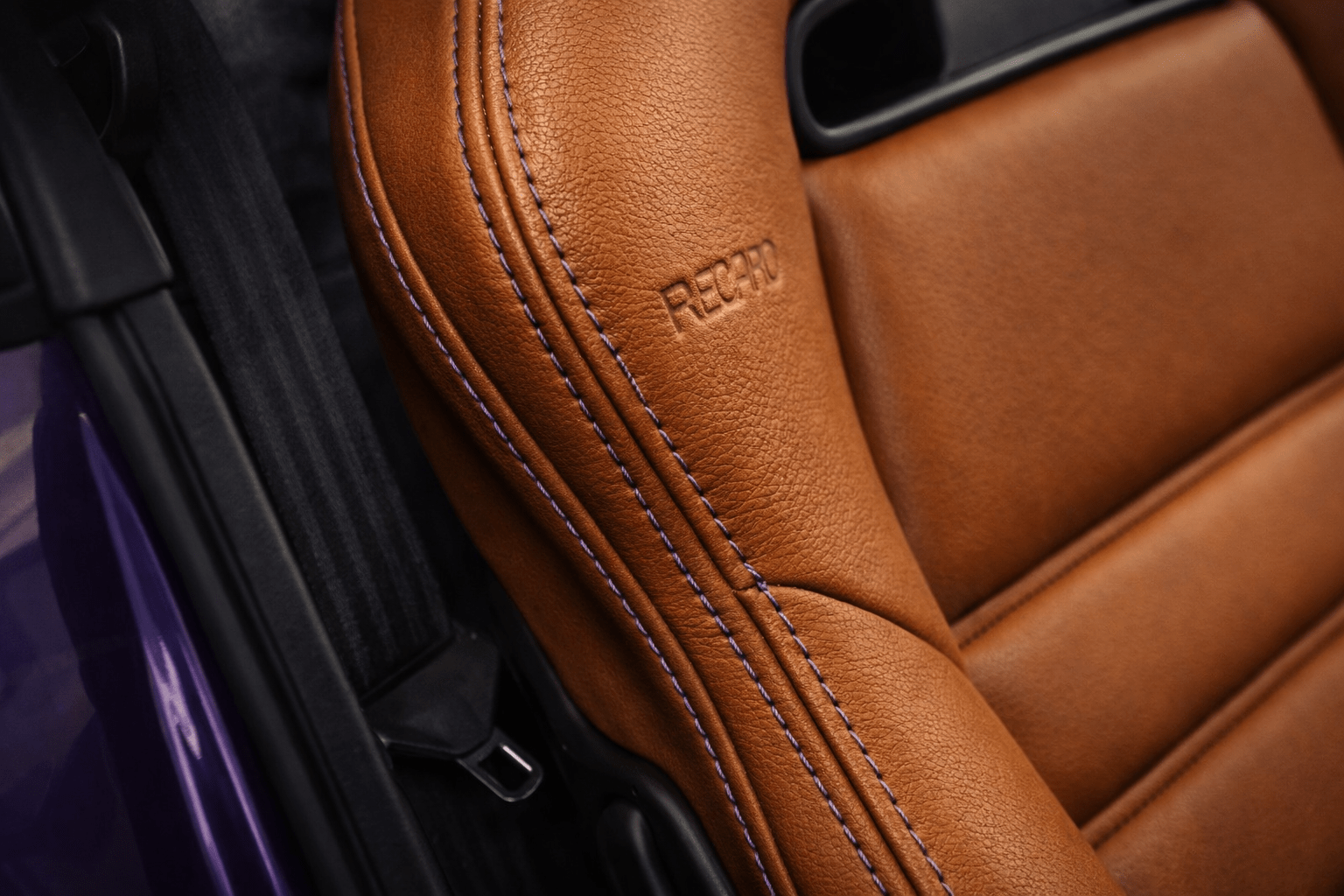
The interior must support the driver and match the build character: purposeful, refined and never generic.
Whether the direction is OEM+, classic air-cooled, carbon widebody or high-output modern Turbo, the process remains the same: define the purpose, engineer the system and finish it with restraint.
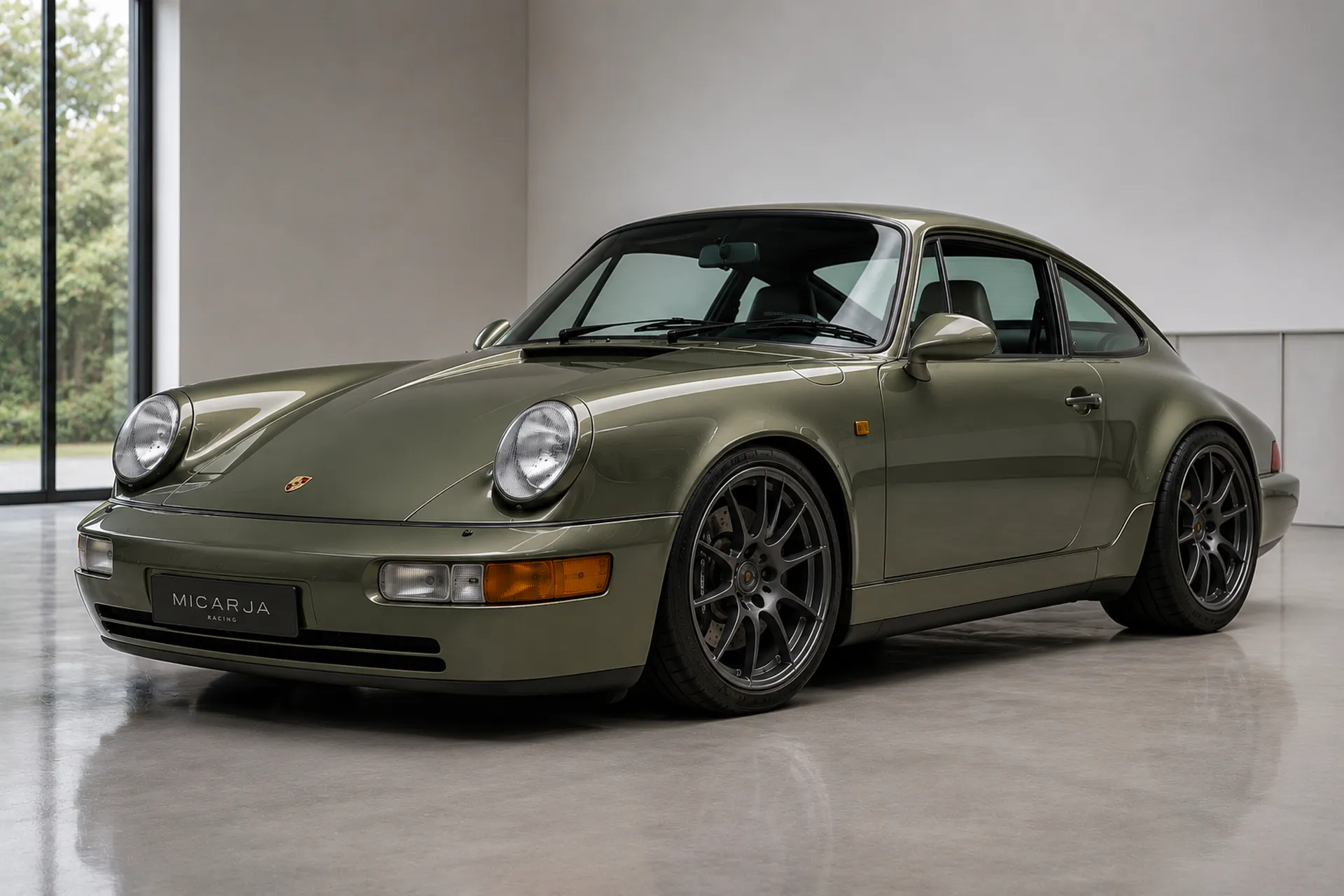
Air-cooled character deserves restraint: power, stance and materials must preserve the soul of the car.
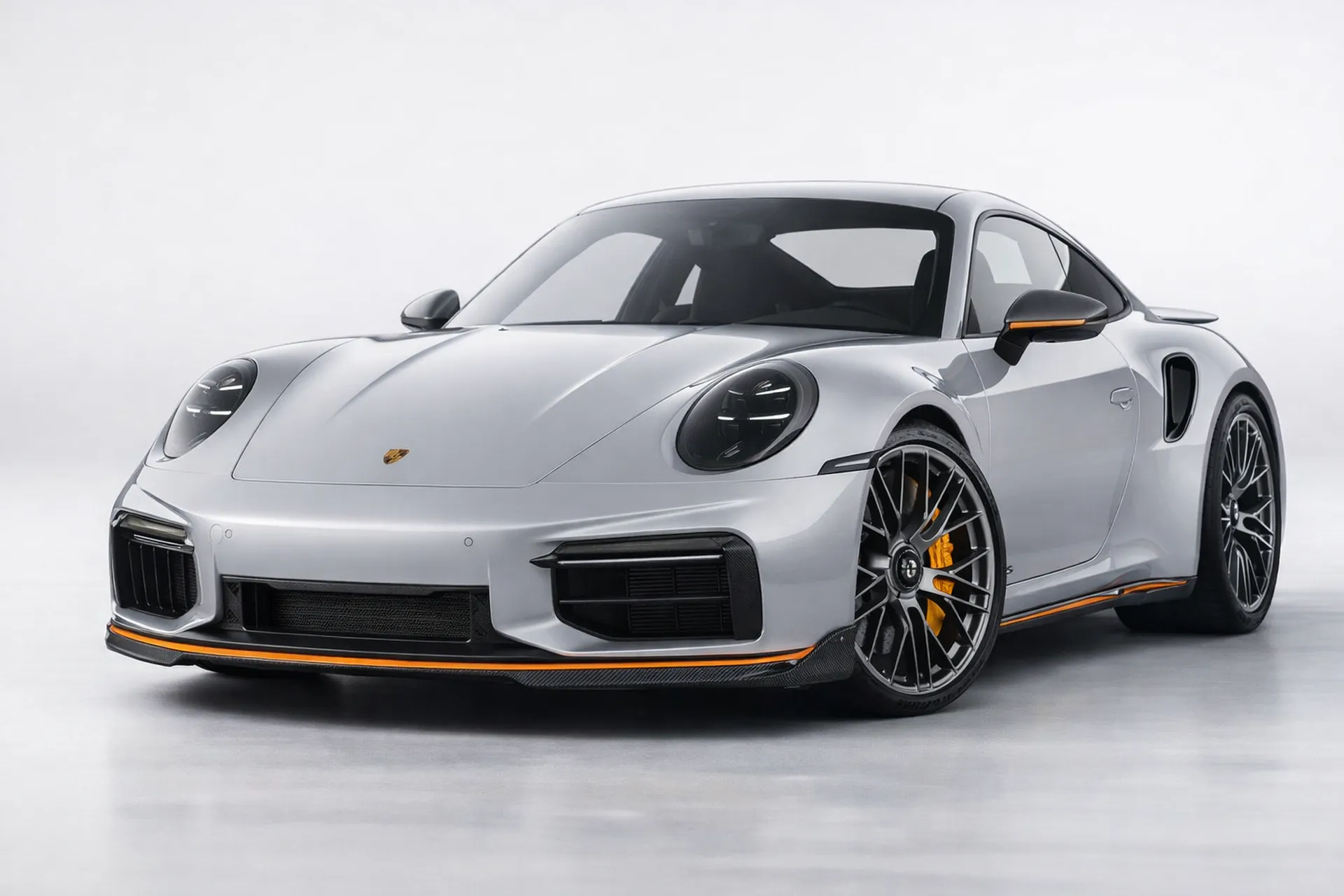
For modern Turbo S clients, refinement can be stronger than aggression when the details are aligned.
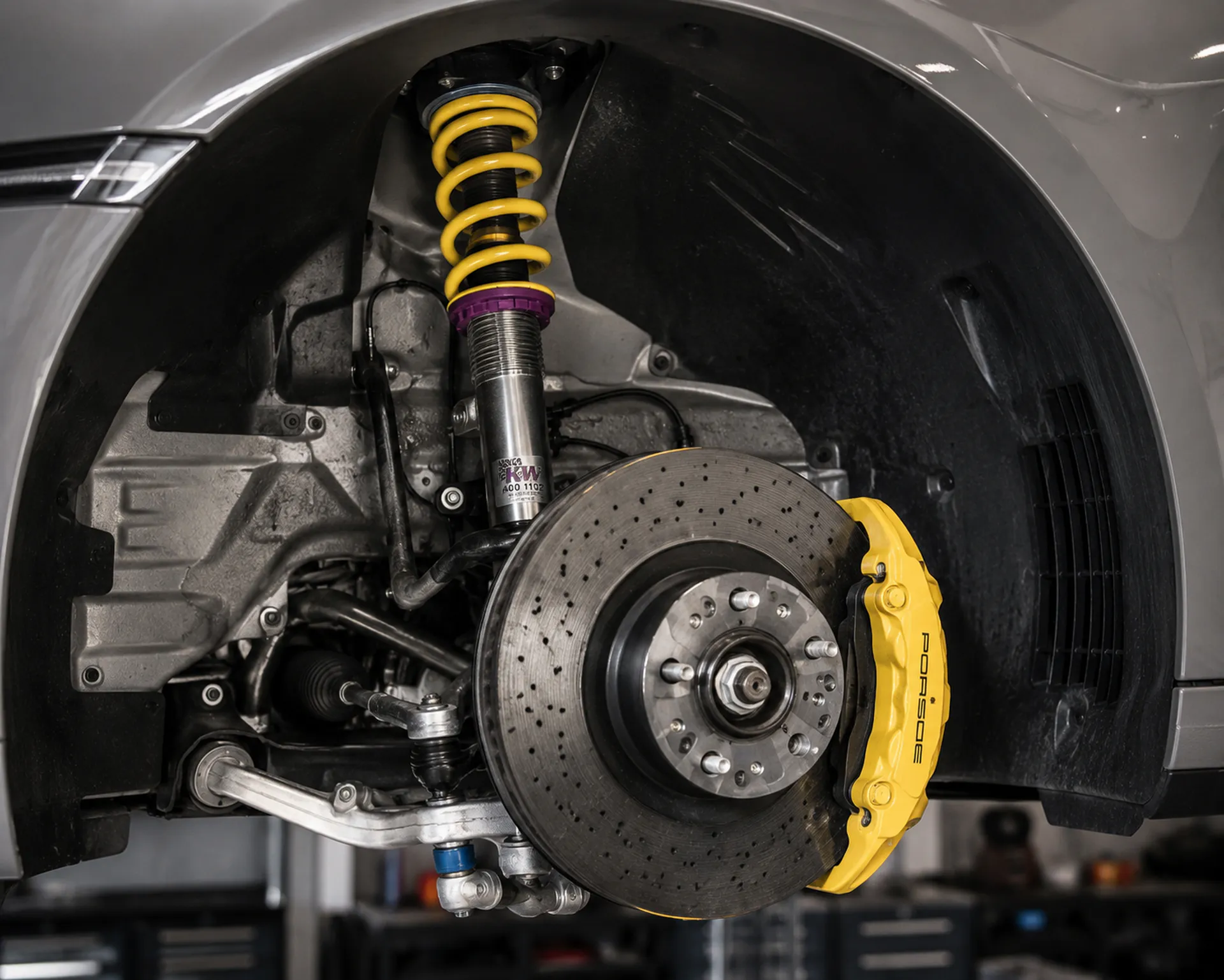
Ride height, damping, wheel fitment and alignment shape how confidence feels at speed.
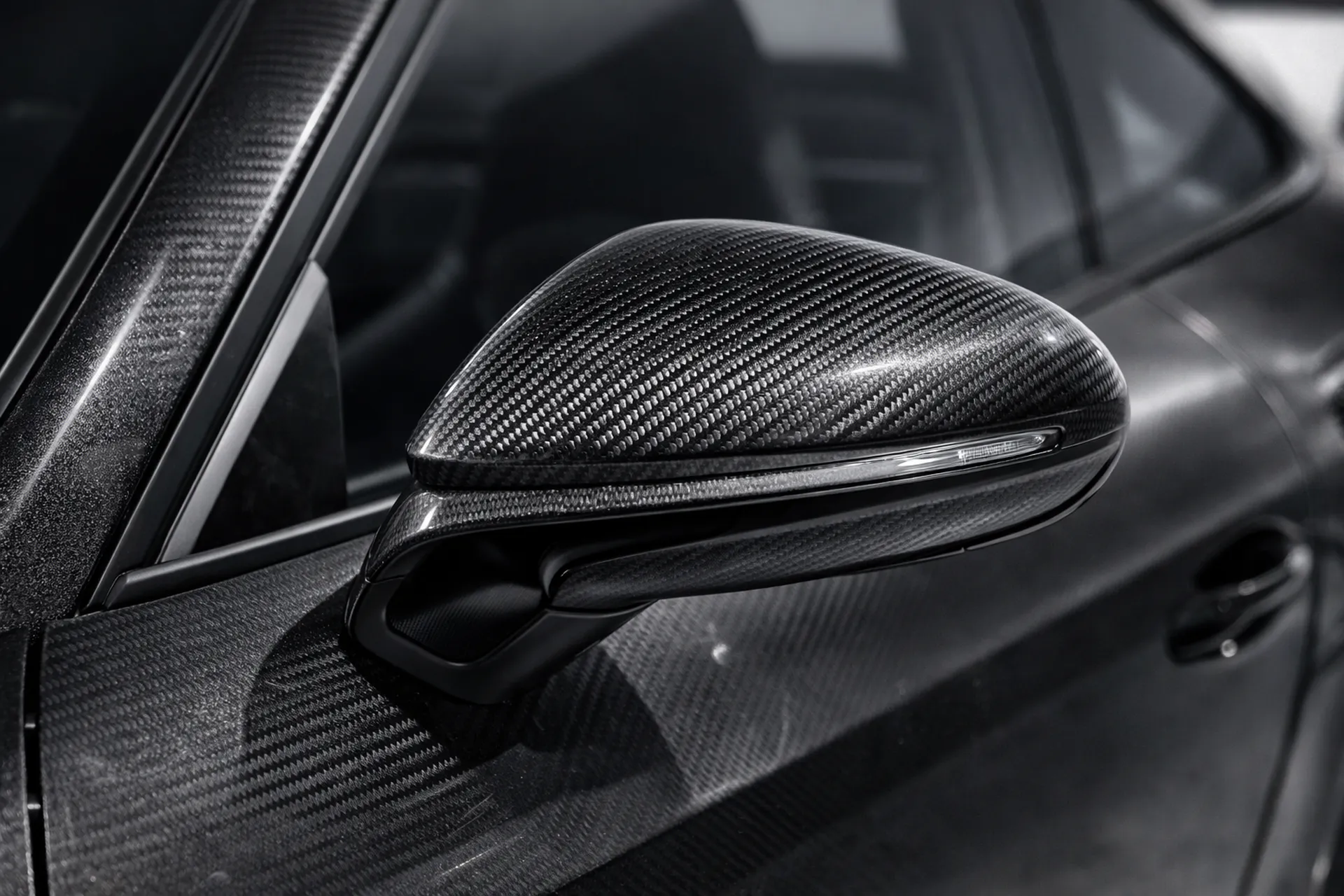
Mirrors, emblems, workbench details and exposed carbon surfaces all matter. They are not decoration; they are proof that the whole build has been considered.
The first step is a detailed consultation. We define the donor car, intended use, target character, market, budget direction and realistic engineering scope before recommending parts.
Because a serious engine programme can include inspection, machining, internal components, turbo systems, fuel delivery, cooling, calibration and validation. The exact cost depends on the donor car and final scope.
Yes. Some clients want a refined OEM+ Porsche, while others want carbon widebody conversions or high-output Turbo builds. The process changes with the goal, but the quality standard remains the same.
Yes. Micarja Racing can advise on market, climate, documentation, transport and compliance planning where relevant. Final legal requirements depend on the client's country and build specification.
Share your model, market, intended use, preferred design direction and power ambition. We will respond with a realistic first plan for your bespoke Porsche 911 build.