
Porsche Wheel Fitment Guide – 7 Essential OEM+ Rules
Porsche wheel fitment is one of the most misunderstood parts of building a car properly. Many people assume it is mainly about getting the arches “filled”, choosing a wider wheel, or lowering the ride height until the stance looks aggressive in photos. In reality, Porsche wheel fitment is not a styling trick. It is an engineering decision.
In an OEM+ context, wheel fitment has to do far more than look good parked outside a café. It must preserve steering feel, maintain suspension travel, support high-speed stability, and visually resolve the car without breaking the proportions Porsche engineered into the platform. That is the real difference between a refined build and an aftermarket setup that simply chases attention.
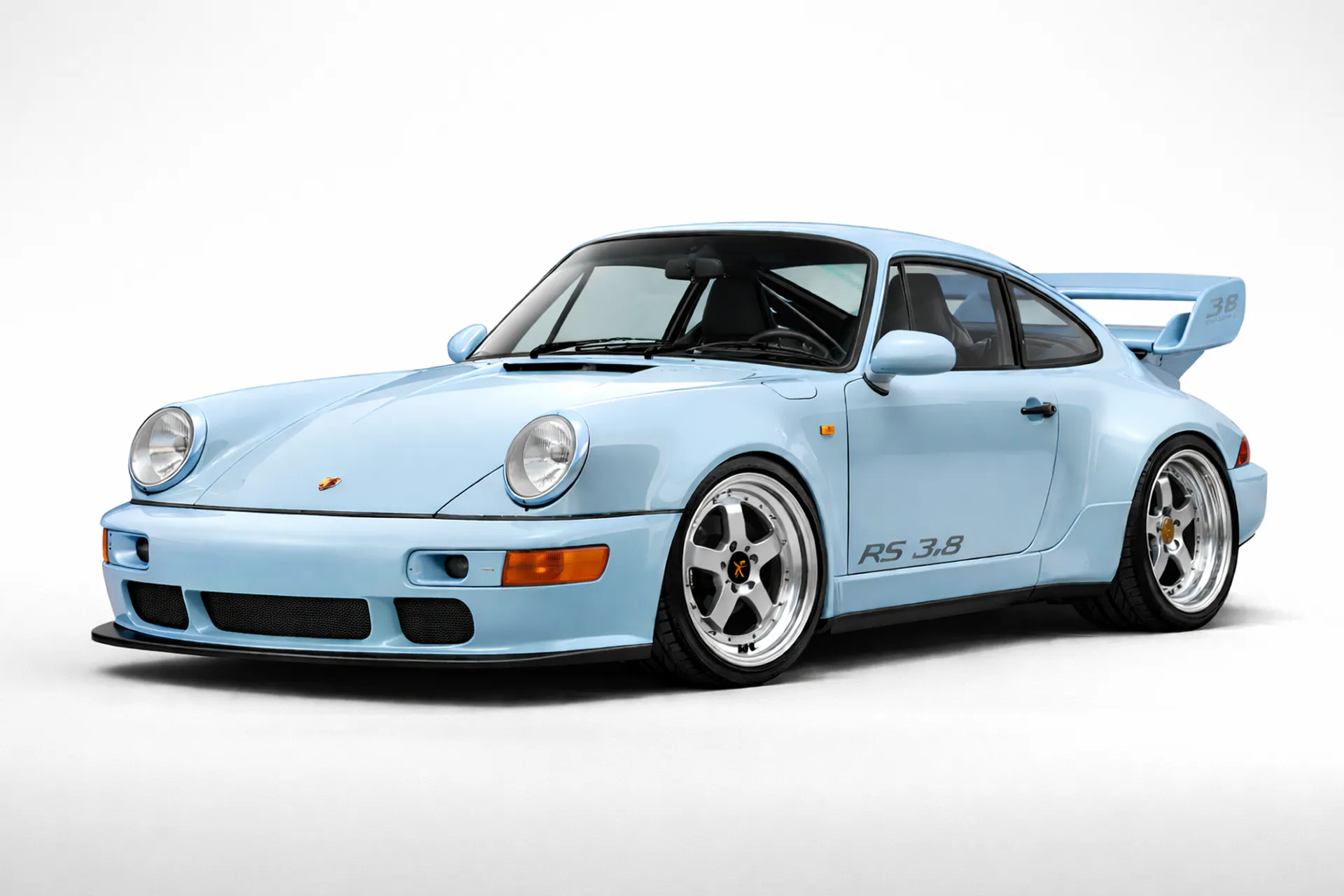
1. Porsche wheel fitment starts with proportion, not aggression
The first rule is simple: correct Porsche wheel fitment should look intentional. Not exaggerated. Not forced. Not “wide” for the sake of being wide. A properly resolved 911 usually feels right because the wheel sits where it should, the tyre profile matches the body, and the stance supports the architecture of the car rather than overpowering it.
This is especially important on older air-cooled cars. A 964 or 993 can be ruined very quickly by offsets that are too aggressive or tyres that visually overpower the body. The same applies to modern cars. Even on a Turbo S or GT car, more width does not automatically mean better Porsche wheel fitment.
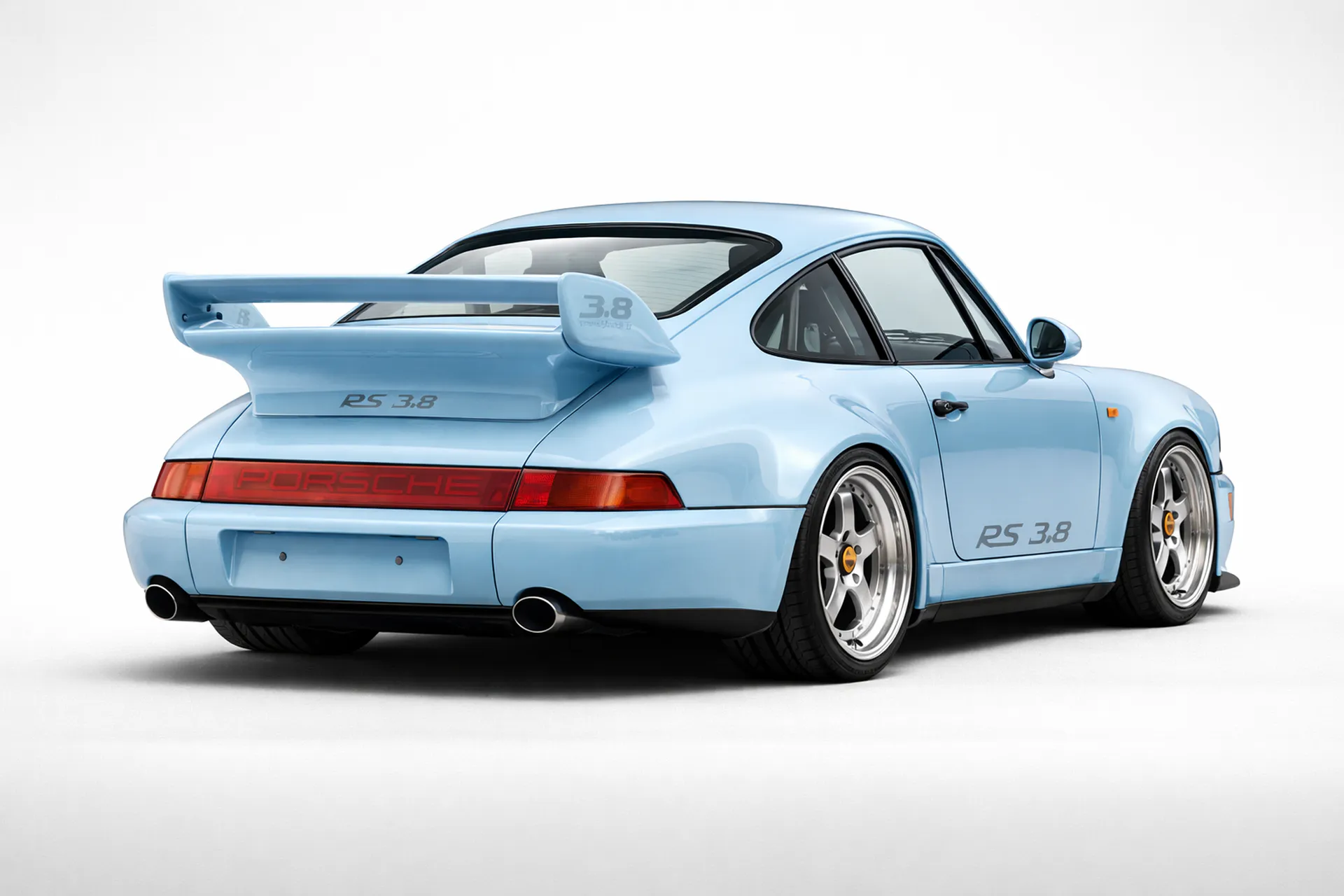
2. Offset matters more than most people think
If you want to understand Porsche wheel fitment properly, start with offset. Offset determines where the wheel sits in relation to the hub, suspension and fender line. Change that too far in either direction and you begin to affect steering behaviour, scrub radius, load paths and overall balance.
This is why many “visually strong” setups feel strange on the road. They may photograph well, but the car no longer communicates like a Porsche should. The steering loads differently, the front axle loses purity, and the whole car can feel less settled over imperfect roads.
OEM+ wheel fitment respects those limits. It refines stance without creating geometry problems that then have to be disguised with compromise elsewhere.
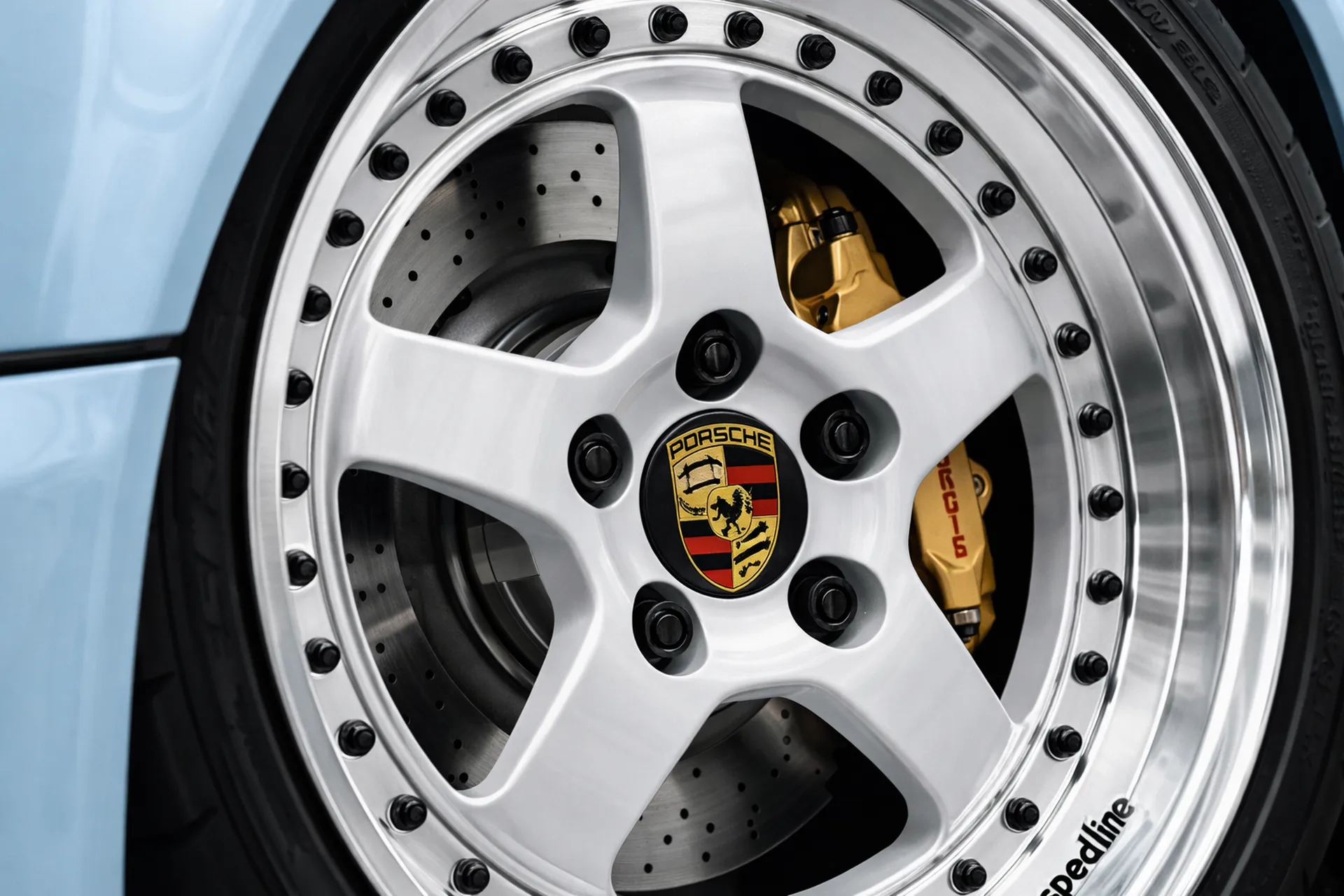
3. Tyre choice is part of Porsche wheel fitment, not a separate topic
Too many builds treat wheels and tyres as separate decisions. They are not. Porsche wheel fitment only works when tyre dimensions, sidewall profile and wheel width are aligned. Get this wrong and you can make the car feel heavier, less precise or oddly nervous, even if the wheel itself looks correct.
- Too much tyre stretch usually harms both feel and visual coherence.
- Tyres that are too tall can disturb the stance and steering response.
- Tyres that are too wide for the platform often reduce delicacy rather than improving it.
- Incorrect front-to-rear proportions can make the whole car feel visually unresolved.
A proper OEM+ approach sees tyre selection as a core part of Porsche wheel fitment. The car should still feel factory-disciplined, only sharper and more complete.
4. Ride height and wheel fitment must be developed together
Wheel fitment on a Porsche cannot be judged in isolation from ride height. A car that sits too high will rarely look resolved, but a car that is too low usually sacrifices suspension travel, steering quality and day-to-day usability. This is where a lot of modified builds go wrong.
The strongest Porsche wheel fitment setups work because the ride height is chosen with restraint. The arch gap is reduced, but not erased. The car sits lower, but still looks usable. The suspension still has room to work. The final impression is one of precision rather than drama.
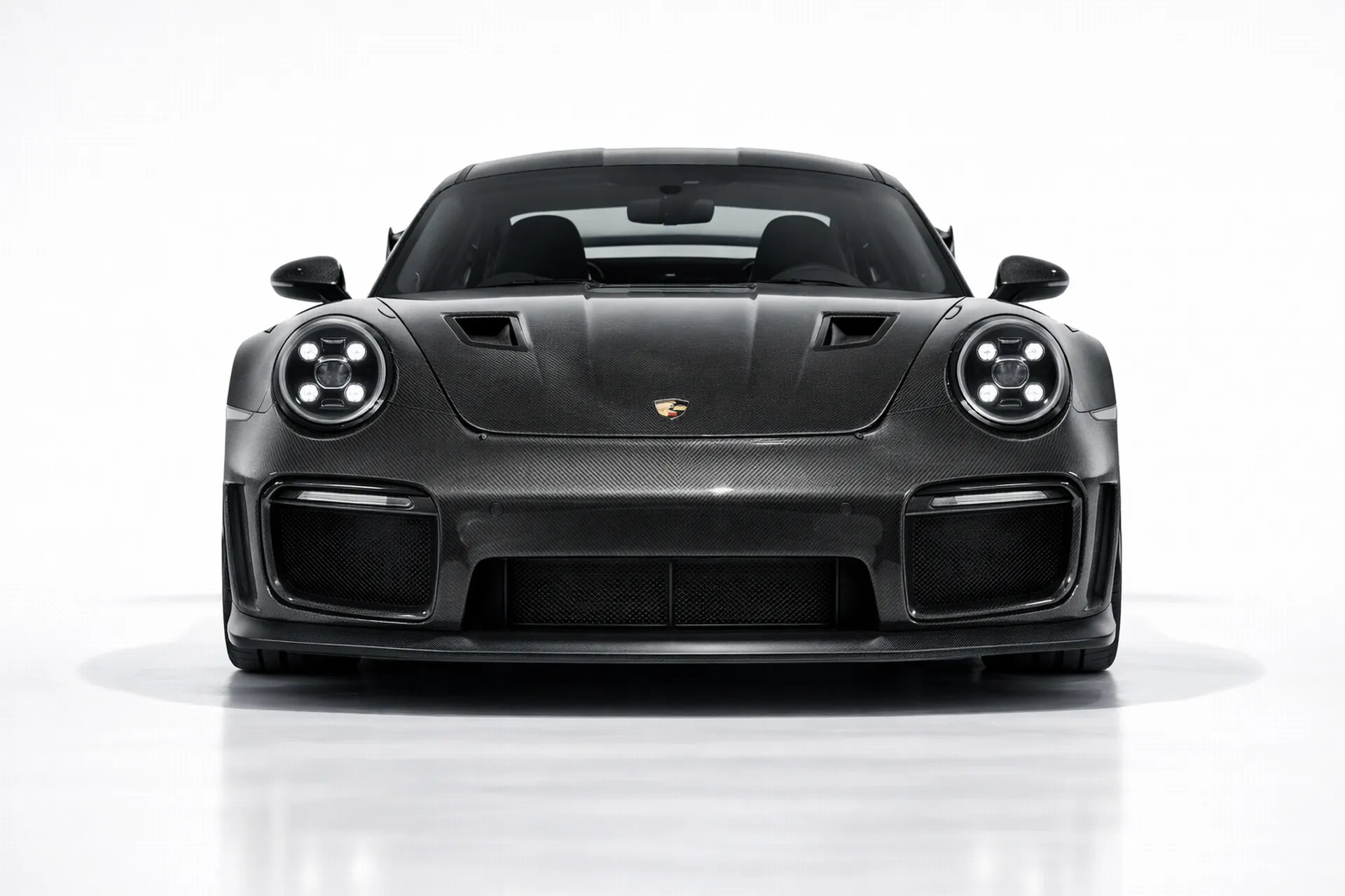
5. The best Porsche wheel fitment is often the least obvious
This is one of the most important OEM+ principles: the best work rarely shouts. When Porsche wheel fitment is right, most people cannot immediately explain why the car feels better. They simply register that it looks more planted, more expensive, more complete. That subtlety is exactly the point.
The same applies to high-end coachbuilding as a whole. Good builds are not defined by the number of changes, but by whether the changes feel integrated. OEM+ is not modification for attention. It is refinement through discipline.
6. Engineering integrity always beats stance culture
Many trends in the wider automotive world are driven by social media. Extreme camber, ultra-low ride height, exaggerated lips and ultra-aggressive fitment may all generate attention, but they rarely improve the car. Porsche wheel fitment should never be driven by trends alone.
Porsche themselves have always treated wheel and tyre specification as a core dynamic variable rather than a cosmetic afterthought. That engineering-first mindset is still the best reference point today. You can see how seriously Porsche approaches this subject in its own technical and model documentation on Porsche.
7. Porsche wheel fitment is one part of a complete coachbuilding philosophy
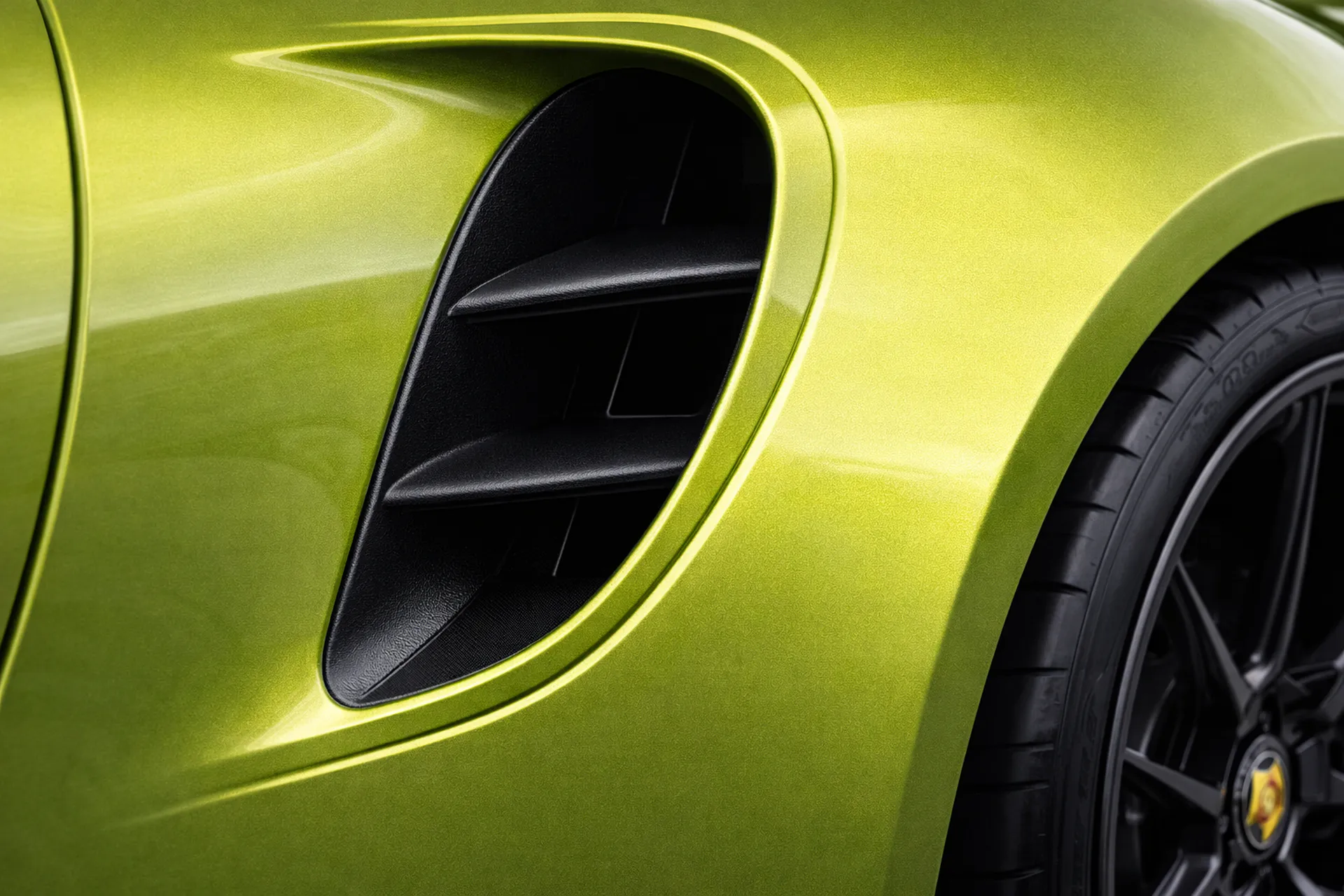
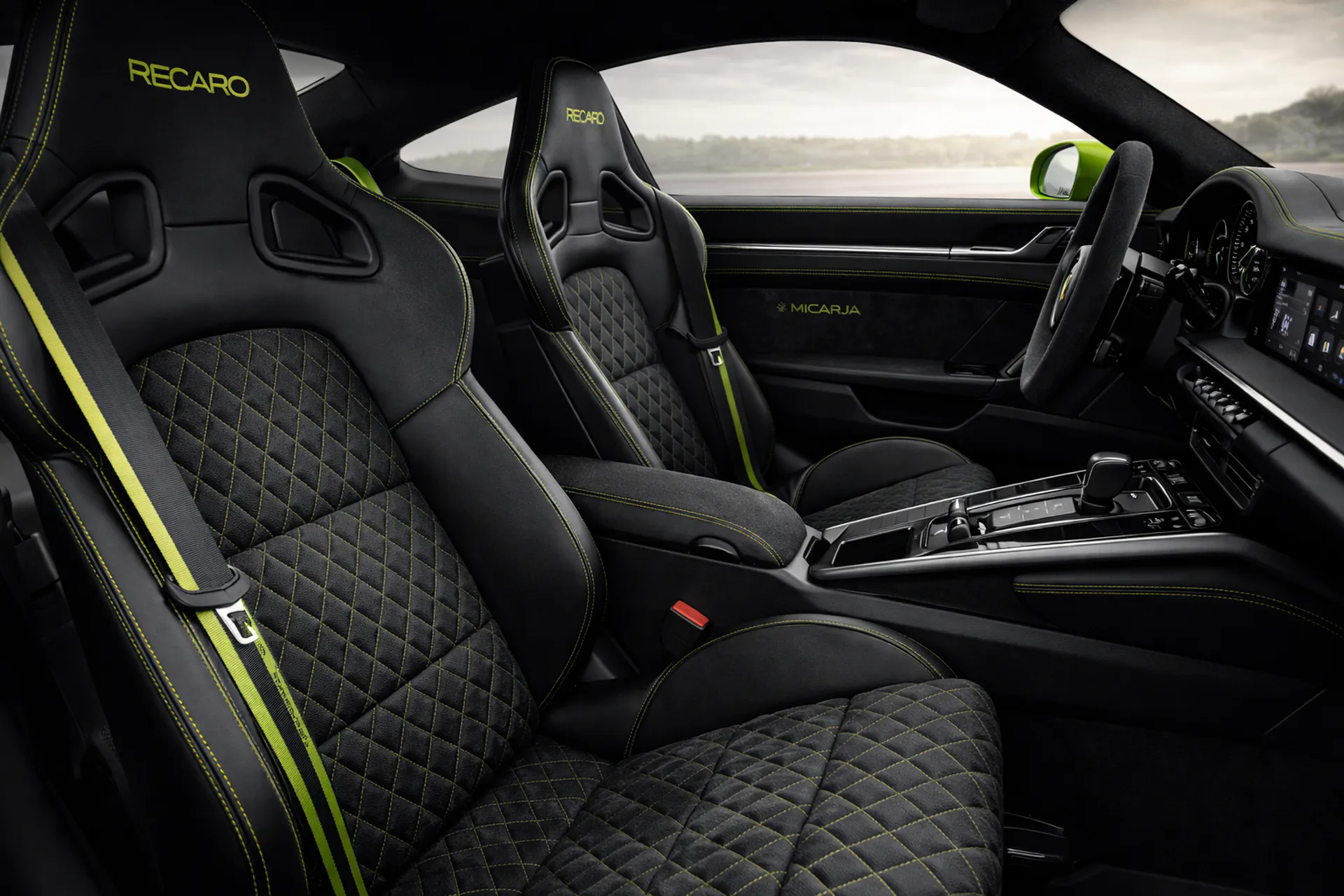
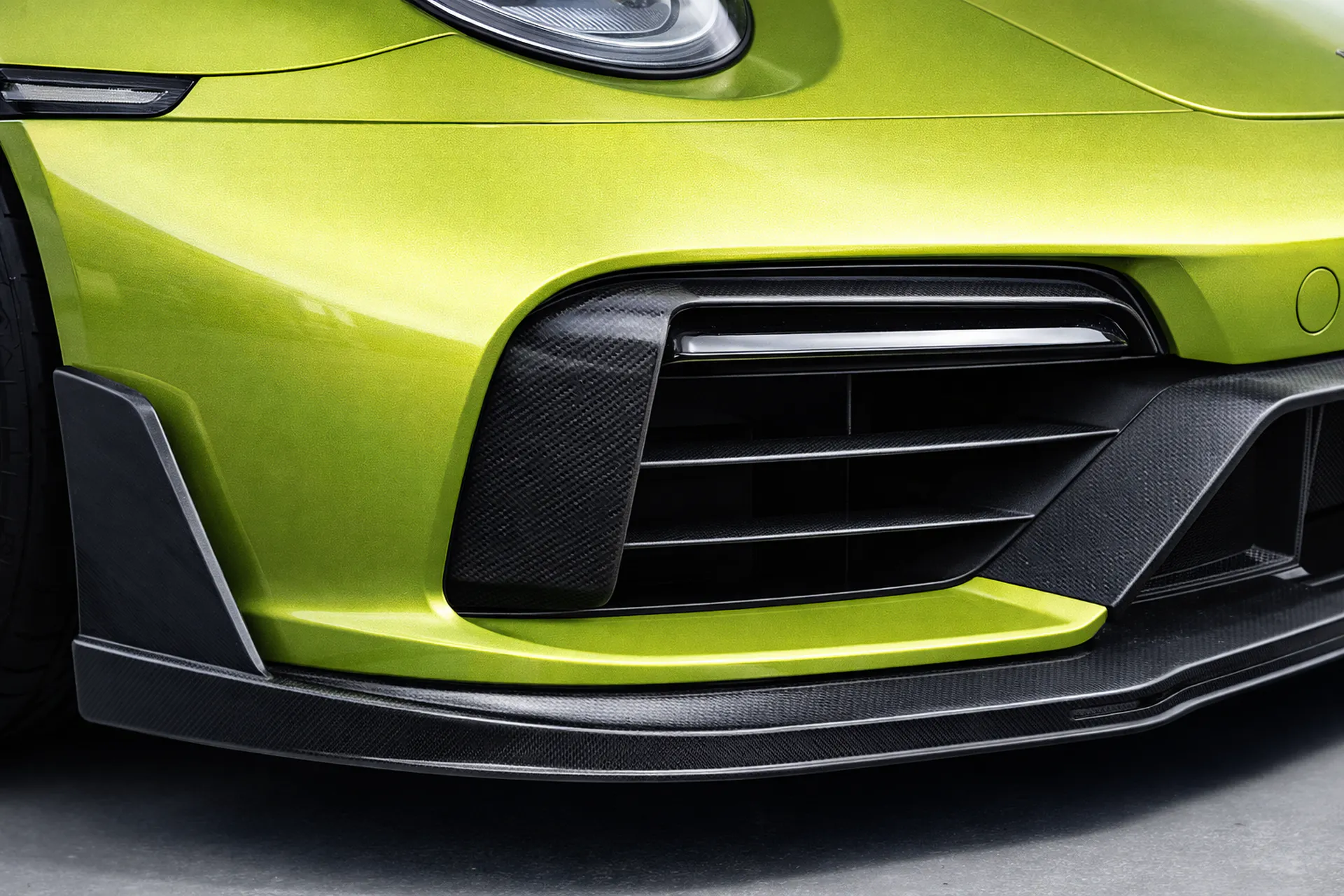
The final rule is that Porsche wheel fitment should never be treated as an isolated upgrade. On a serious build, it sits within a wider system that includes suspension setup, bodywork, brake proportion, ride quality, visual restraint and interior execution. That is where coachbuilding begins to separate itself from tuning.
A client-defined Porsche commission should feel coherent from every angle. The wheel fitment must make sense with the body. The stance must make sense with the purpose of the car. The details must support the driving experience, not distract from it.
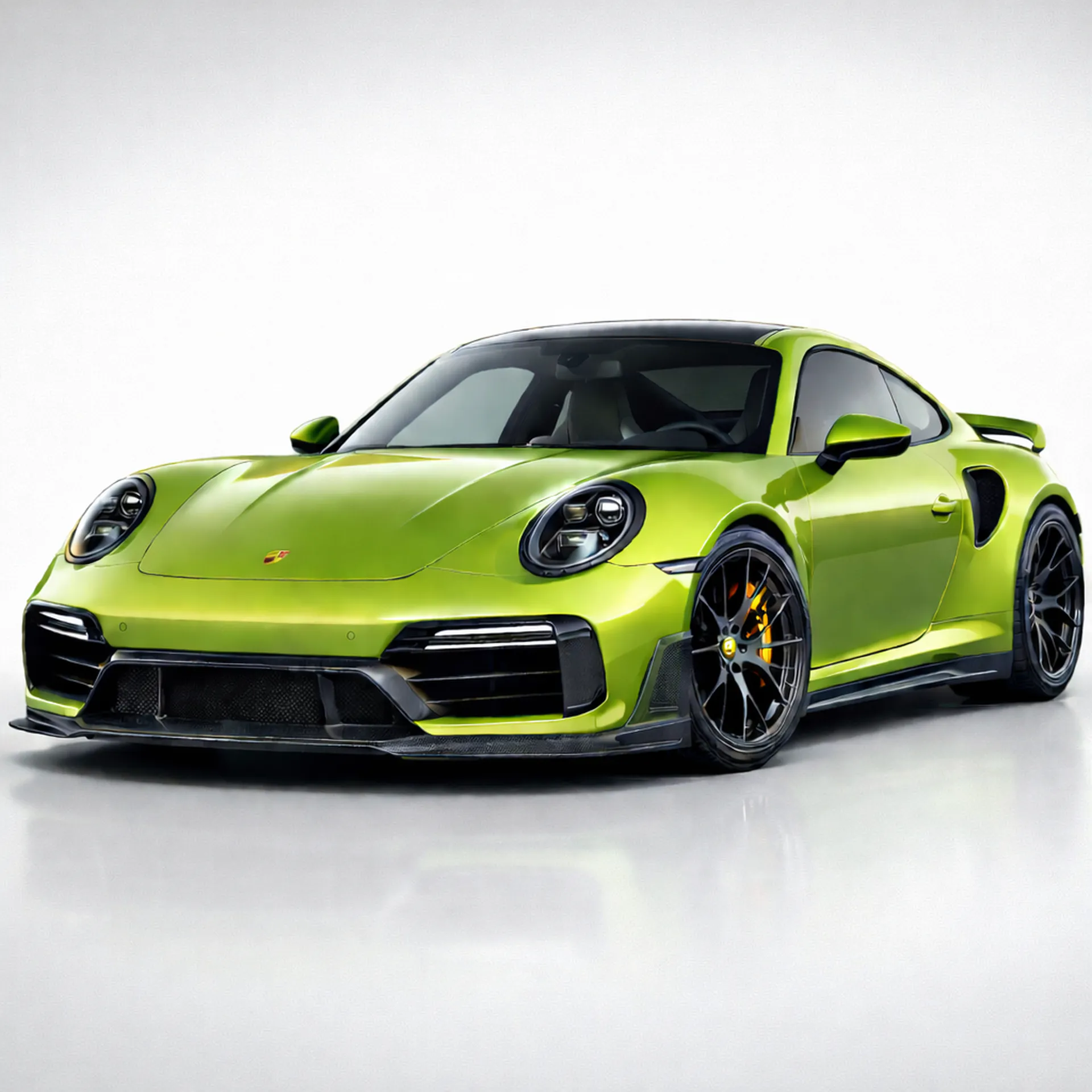
Where does Porsche wheel fitment become too much?
The line is usually crossed when visual impact starts to outweigh engineering logic. If the steering feels worse, the suspension works less effectively, the proportions look forced or the car loses the ease and confidence that define a great Porsche, the fitment has gone too far.
That is why OEM+ matters. It protects the character of the platform while still allowing the car to evolve. Done correctly, Porsche wheel fitment should not make the car feel modified. It should make the car feel finished.
Read more about our OEM+ Porsche philosophy, explore our bespoke Porsche build approach, or view current Porsche projects.
Thinking about your own OEM+ Porsche build?
If you want a Porsche that feels more resolved, more precise and more complete without losing factory intent, that is exactly where our coachbuilding approach begins.
Start your build