
A Porsche is never the end. It’s only the beginning.
Porsche Stance & Wheel Fitment Guide: 7 Essential Principles for a Perfect Setup
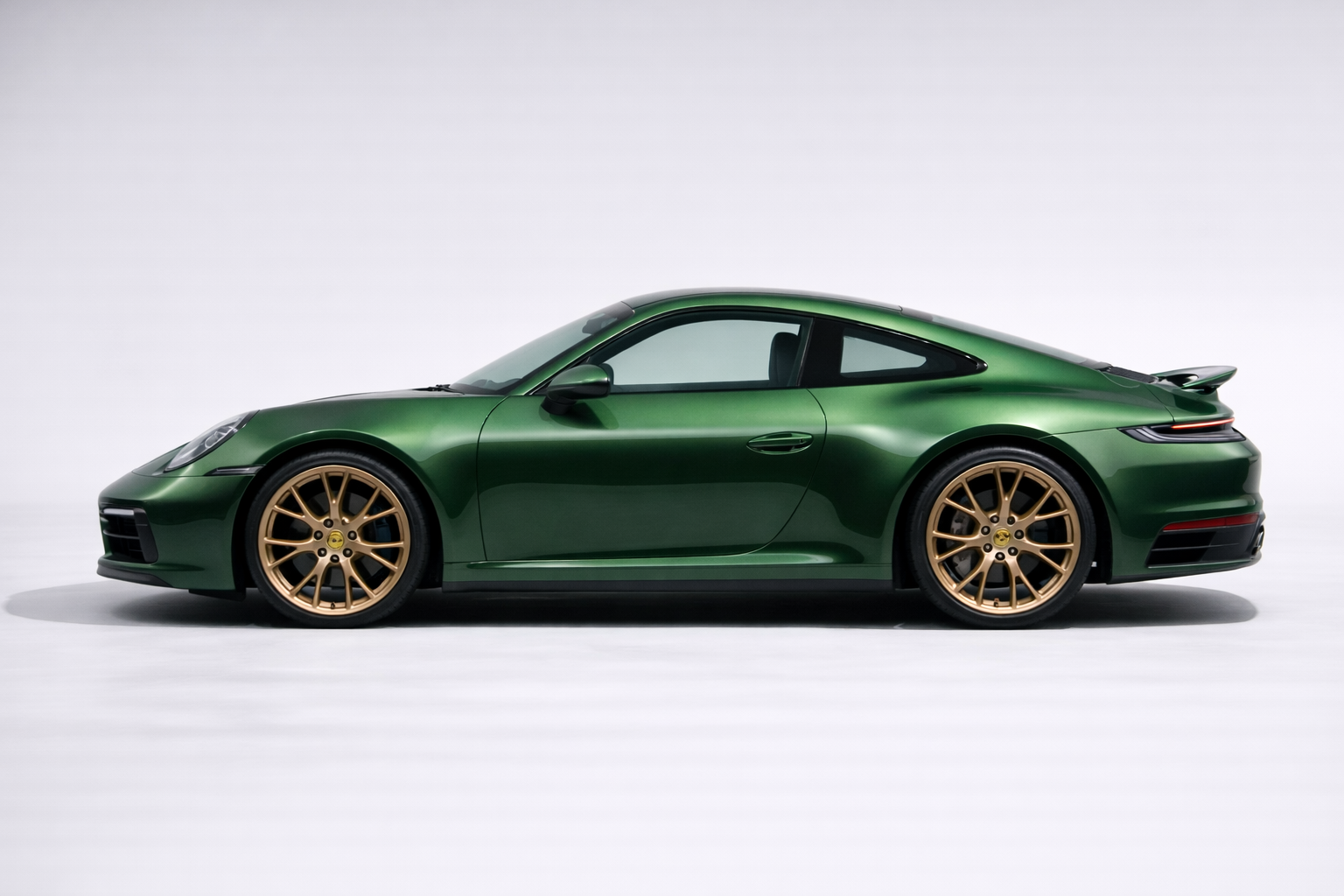
Porsche stance wheel fitment is one of the most critical aspects of a high-end Porsche build. It determines how the car looks, feels and performs on the road. A correct setup transforms a standard Porsche into something far more refined and visually balanced.
Understanding porsche stance wheel fitment means understanding the relationship between wheels, tires, suspension and body geometry. Every detail influences the final result.
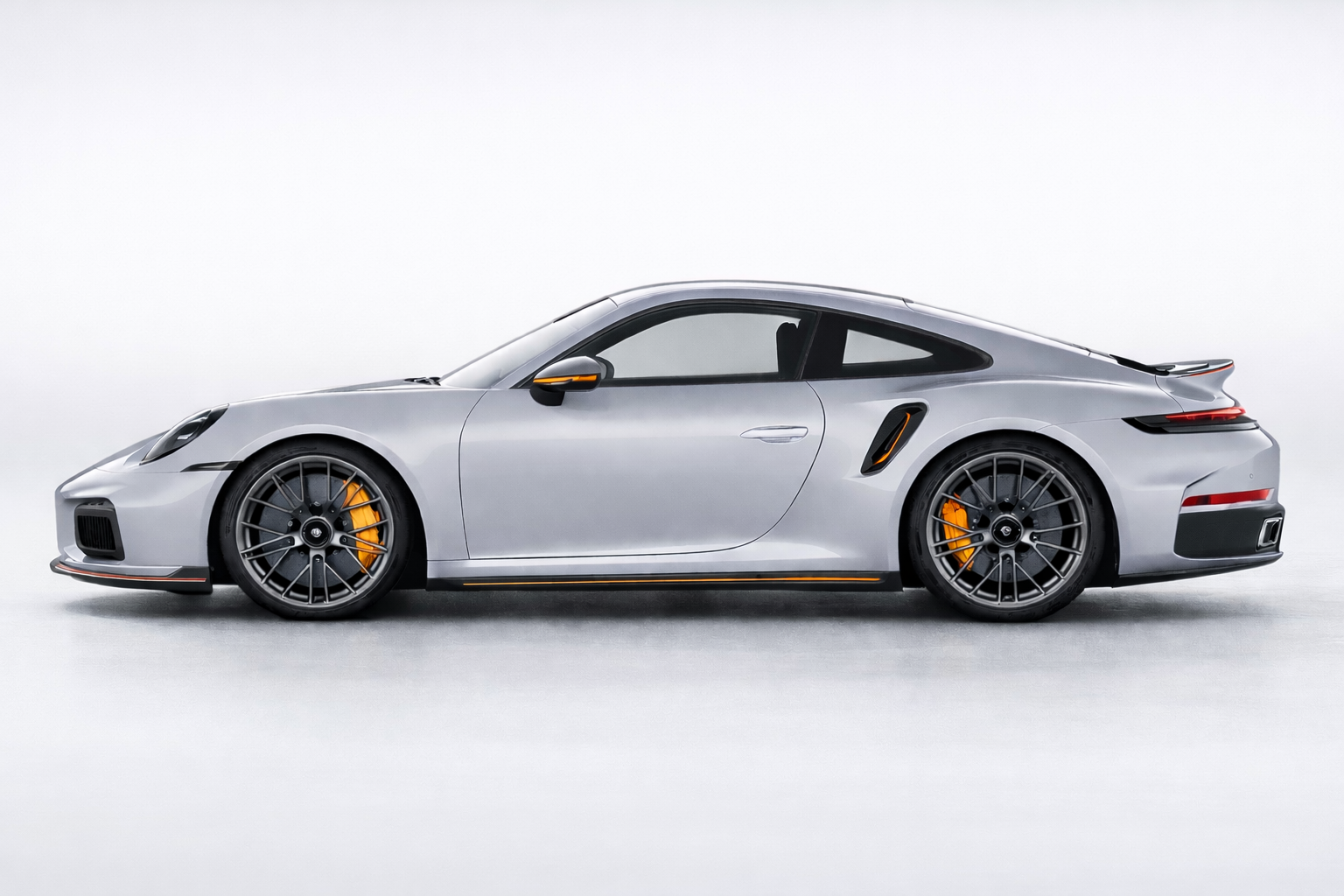
Porsche stance wheel fitment defines the balance between visual presence and engineering precision.
1. Stance Begins With Proportion
Stance is not simply about lowering a car. It is about proportion. The relationship between wheel arch, tire height and body line must remain visually balanced.
2. Wheel Size and Diameter
Wheel size directly affects porsche stance wheel fitment. Standard Porsche configurations often use 20/21 inch wheels, while OEM+ builds may move toward 21/22 inch setups for a more aggressive appearance.
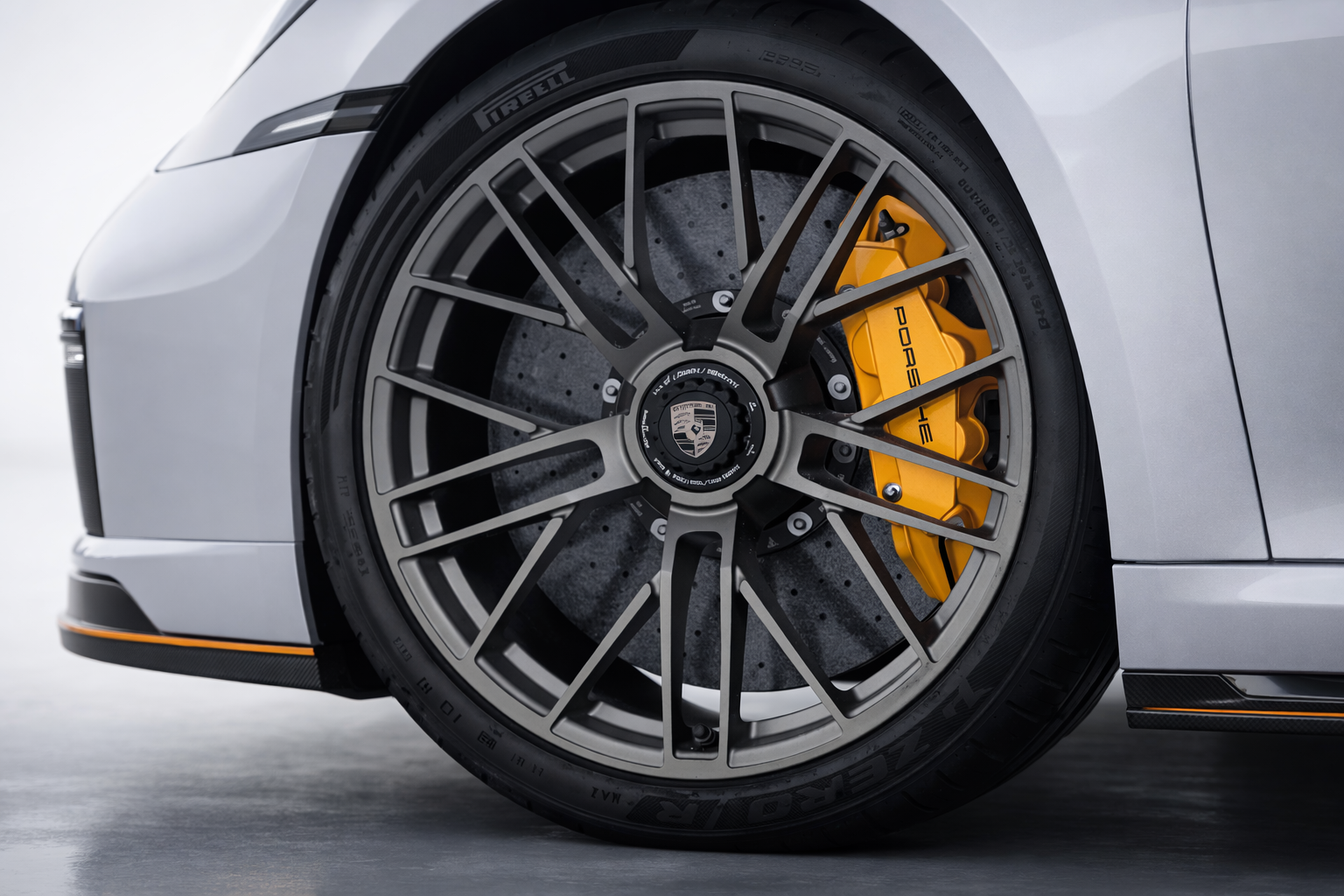
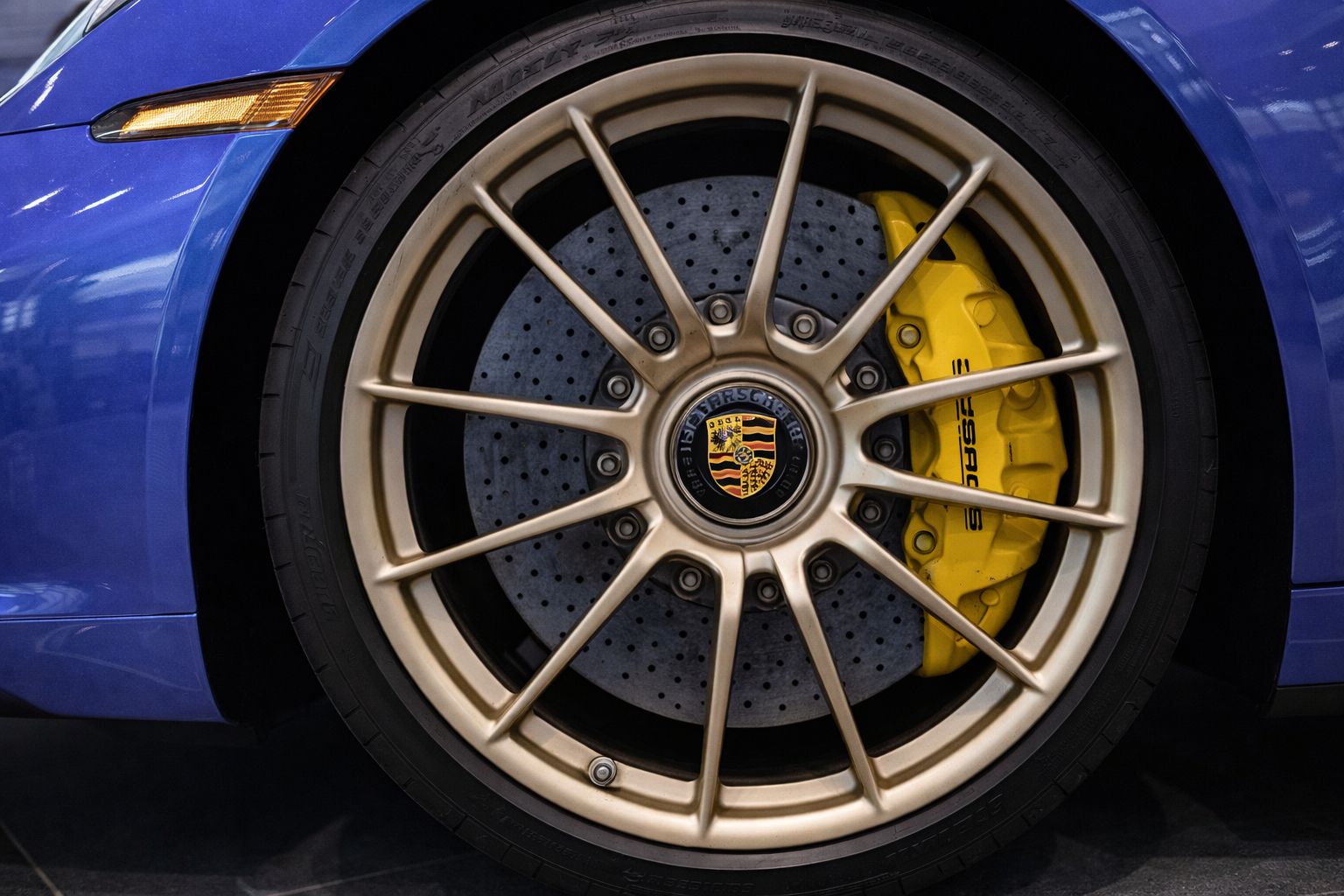
High-performance braking systems, such as those developed by Brembo, also influence wheel design and spacing requirements.
3. Offset and Spacer Optimization
Offset determines how far the wheel sits inside or outside the fender. Spacers are often used in OEM+ builds to achieve a flush stance without compromising suspension geometry.
Correct porsche stance wheel fitment ensures that wheels sit perfectly aligned with the body, avoiding both excessive tuck and aggressive poke.
4. Tire Width and Grip Balance
Wider tires increase traction and improve driving dynamics. However, they must be carefully matched to wheel width and suspension settings.
5. Suspension and Ride Height
Lowering a Porsche improves stance but must be done with precision. A drop of 10–25 mm is often ideal for OEM+ builds, maintaining both comfort and performance.
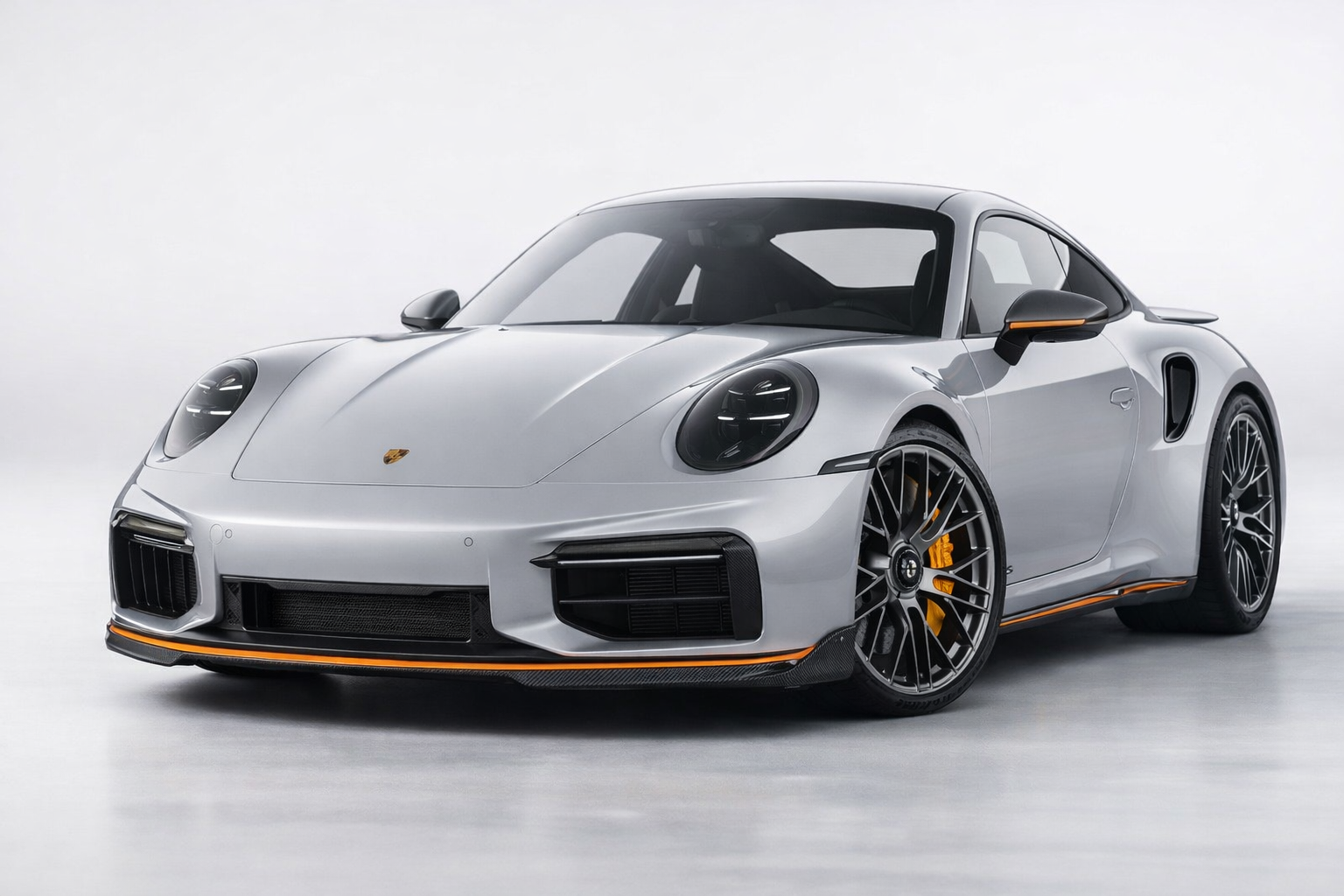
Lowering combined with proper wheel fitment creates a refined and balanced Porsche stance.
6. Interior and Seating Position Influence
Interestingly, stance is not only external. The driver’s seating position also contributes to the perception of control and balance. High-quality seating systems, such as those engineered by Recaro, enhance the connection between driver and chassis. Material choices such as carbon also play a major role in visual impact, as explained in our Porsche carbon vs painted parts guide.
7. OEM vs OEM+ vs Widebody Fitment
OEM setups prioritize usability and engineering safety margins. OEM+ builds refine stance for visual and dynamic improvement. Widebody builds allow for extreme wheel widths and aggressive offsets.

Long-Term Perspective on Porsche Stance Wheel Fitment
When evaluating porsche stance wheel fitment over time, balance becomes more important than extremes. Subtle OEM+ setups often age better, while aggressive builds create immediate impact.
The best Porsche builds achieve harmony between stance, usability and performance, ensuring the car remains both visually striking and practical.
Micarja Approach
At Micarja Racing, stance and wheel fitment are engineered as part of a complete system. Every adjustment is made with respect for Porsche’s original design and performance philosophy.
Learn more:
Exclusive Porsche Specialist Europe
Bespoke Porsche Build Europe
Conclusion
Porsche stance wheel fitment defines how a car looks, drives and feels. When executed correctly, it creates a perfect balance between engineering and design.
Understanding porsche stance wheel fitment is essential for any high-end bespoke Porsche project.