
A Porsche is never the end. It’s only the beginning.
Porsche NA vs Turbo Engine for Bespoke Build: 7 Powerful Differences
The Porsche NA vs turbo engine for bespoke build decision defines the entire character of a Porsche project. It affects throttle response, torque delivery, sound, cooling, cost, usability and long-term ownership value.
At Micarja Racing, engine selection is never treated as a separate upgrade. A Porsche engine must support the platform, gearbox, cooling strategy, suspension setup and final use case. The right choice is not always the most powerful one. It is the engine that makes the complete car feel coherent.
If you are still defining your foundation, first read the Porsche 911 platform comparison and the Porsche build process.
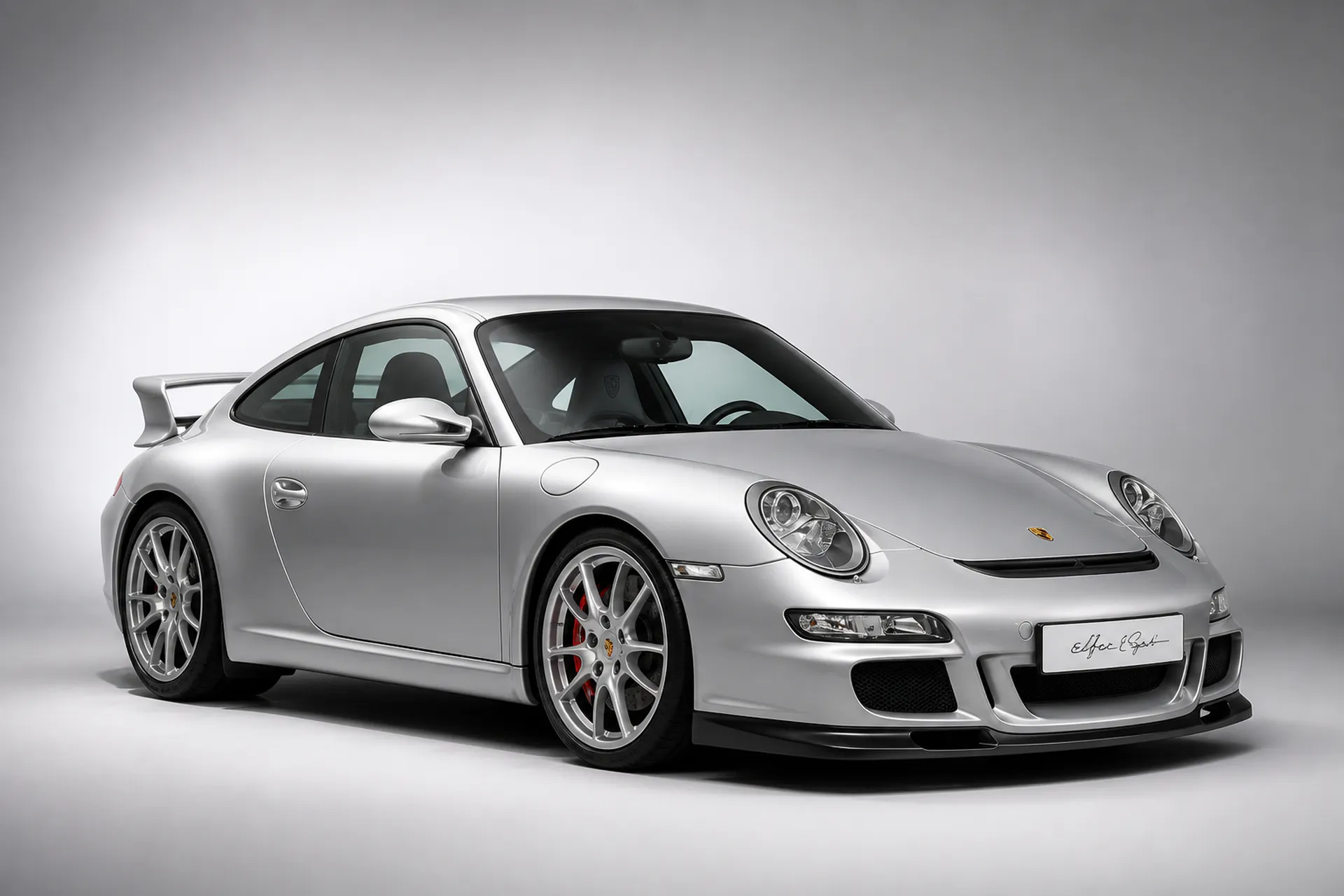
A naturally aspirated Porsche platform creates a very different build character than a modern turbocharged car.
Porsche NA vs Turbo Engine for Bespoke Build Explained
A Porsche NA vs turbo engine for bespoke build comparison is not about declaring one engine type better than the other. It is about understanding which engine philosophy fits the commission. A naturally aspirated engine is usually chosen for response, sound and driver engagement. A turbocharged engine is usually chosen for torque, speed and effortless performance.
- NA engine: response, sound, revs, mechanical feel.
- Turbo engine: torque, acceleration, tuning potential, daily usability.
- Best choice: depends on the platform, use case and build philosophy.
1. Throttle Response
The first major difference is throttle response. A naturally aspirated Porsche engine responds directly to pedal input. This creates a strong connection between driver and engine. For many clients, this is the main reason to choose an NA configuration.
A turbocharged engine can feel more effortless, but the power delivery is different. Modern Porsche turbo engines are extremely responsive, but they still deliver performance through boost pressure and torque rather than pure rev response.
2. Torque Delivery
Turbo engines deliver much stronger torque at lower RPM. This makes the car feel faster in normal road use and easier to drive quickly without constantly using high revs.
NA engines usually need more revs to deliver their best performance. That creates excitement and engagement, but it also means the driver has to work harder to extract performance.
3. Sound and Emotion

Sound, exhaust character and mechanical feel are major reasons to choose an NA-based Porsche build.
For many Porsche owners, sound is not a detail. It is part of the identity of the car. Naturally aspirated engines usually offer a cleaner, sharper and more emotional sound profile.
Turbo engines can sound impressive, but the turbo system changes the exhaust character. The result is often more aggressive and torque-rich, but less pure than an NA setup.
4. Reliability and Cooling
Reliability depends on engineering quality, not engine type alone. However, turbocharged engines usually require more attention to cooling, intake temperatures, exhaust temperatures and drivetrain load.
A naturally aspirated build can be simpler from a thermal-management perspective, especially when the goal is balanced road use rather than maximum output.
5. Cost and Complexity
The Porsche NA vs turbo engine for bespoke build decision has a direct effect on cost. Turbo builds often require more supporting hardware, more cooling work and more calibration time. NA builds can also become expensive, especially when displacement, internals or race-derived components are involved.
For the financial side, read the bespoke Porsche build cost guide.
6. Platform Compatibility
A 997 GT3, 991 GT3 or classic air-cooled platform naturally suits a more responsive NA philosophy. A 991 Turbo, 992 Turbo or GT2 RS direction naturally suits a high-torque turbo philosophy.
The platform should come first. Engine strategy only makes sense when it matches the body, gearbox, electronics and intended use.
7. Long-Term Ownership
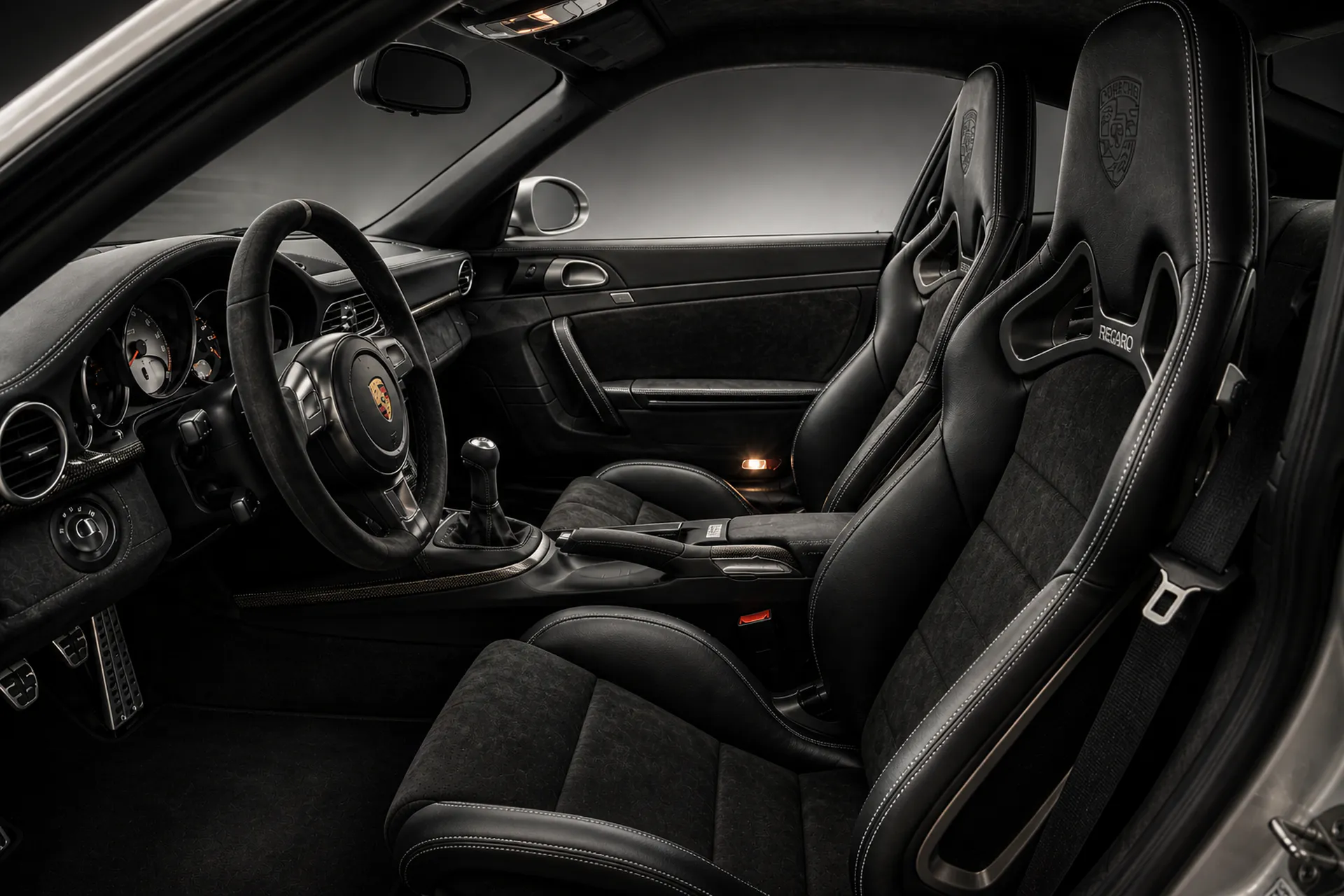
The right engine choice should support the full ownership experience, not just peak performance.
Long-term ownership is where the right engine choice becomes clear. An NA build may feel more special on emotional drives. A turbo build may feel stronger and easier in everyday use. Neither is automatically better.
The best choice is the one that remains satisfying after the first impression has faded.
NA vs Turbo: Which Porsche Engine Should You Choose?
Choose NA if you want:
Throttle response, mechanical engagement, sound, revs and a purer driver-focused Porsche character.
Choose Turbo if you want:
Torque, speed, tuning potential, effortless acceleration and modern high-performance usability.
External Porsche Reference
For current Porsche model background, visit the official Porsche model overview. For general 911 platform history, see the Porsche 911 overview.
Final Verdict
The correct Porsche engine is not chosen by numbers alone. It is chosen by the brief. A serious bespoke Porsche build should feel complete, balanced and usable. The engine must support that identity from the beginning.
At Micarja Racing, the goal is not to create the loudest or most extreme specification. The goal is to create a Porsche that feels engineered as one complete system.
Define Your Porsche Engine Strategy
Whether the answer is NA or turbo, the right Porsche build starts with a clear brief, platform strategy and engineering direction.
Continue with Best Porsche Engine for Bespoke Build or explore all Porsche Insights.